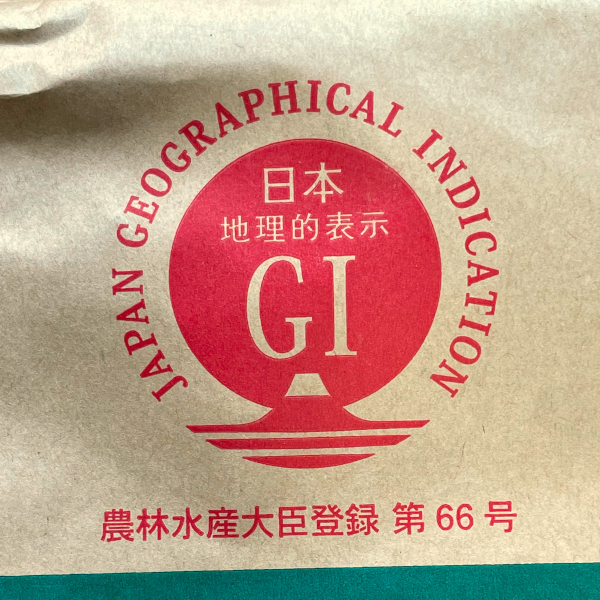
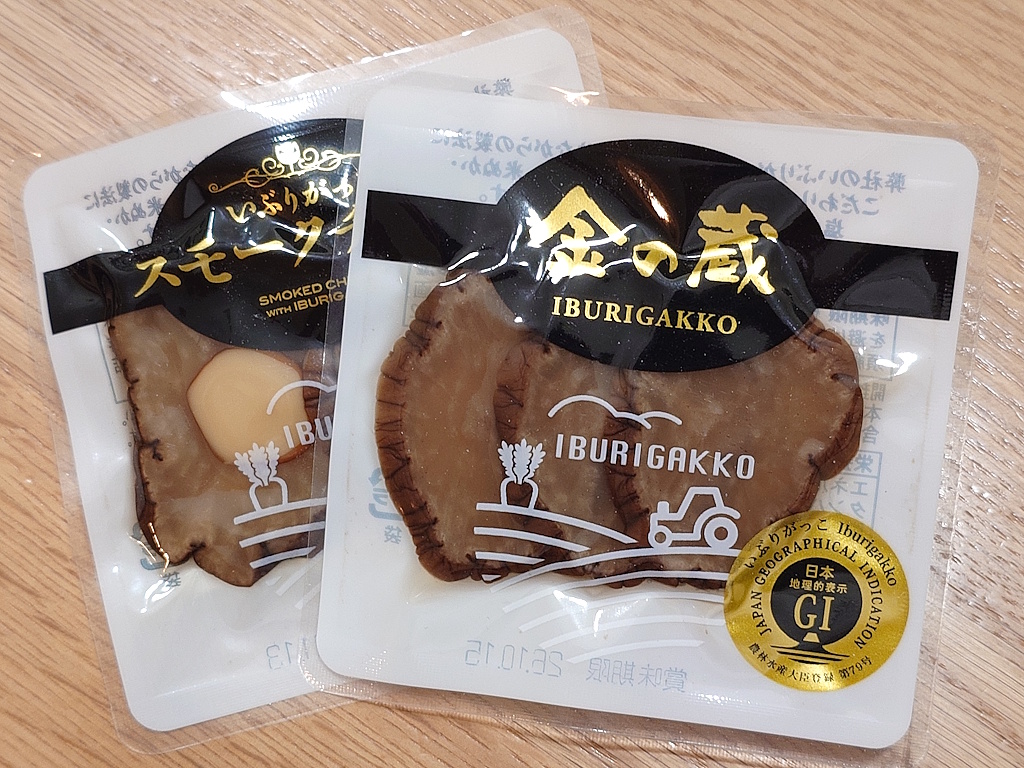
Upon closer inspection of the individually wrapped “Iburi Gakko” pickles I received as a souvenir, I noticed the label stated “Geographical Indication GI, Registered by the Minister of Agriculture, Forestry and Fisheries, No. 79” (bottom right of the package in the photo).
The Geographical Indication Protection System protects the names of products that possess characteristics such as quality and social reputation cultivated within the unique natural, cultural, and social factors of a specific region, treating them as the region’s intellectual property. (Geographical Indication (GI) Protection System: Ministry of Agriculture, Forestry and Fisheries)
According to the public notice for the registration of the GI “Iburi Gakko,” it states: “‘Iburi Gakko’ is a type of takuan pickle made using Akita Prefecture’s unique method, where the drying process of the daikon radish is done by smoking. The raw material is domestically produced daikon radish. Food additives used in preparation are primarily naturally derived. As sweeteners, saccharin and its salts, food yellow No. 4 and food yellow No. 4 aluminum lake as colorants, and sorbic acid and its salts as preservatives.” (Iburigakko|Product Introduction|Geographical Indication Product Information Site)
For consumers, the GI mark is helpful when choosing higher-quality products from similar items. Clear regulations on ingredients and additives mean you can eat with confidence.
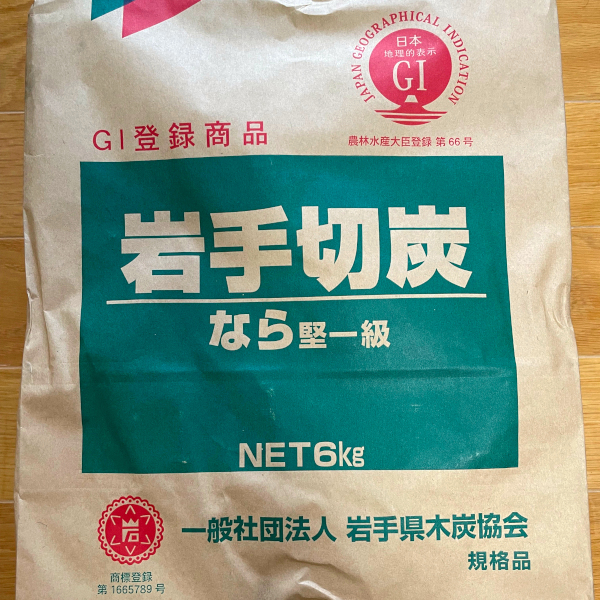
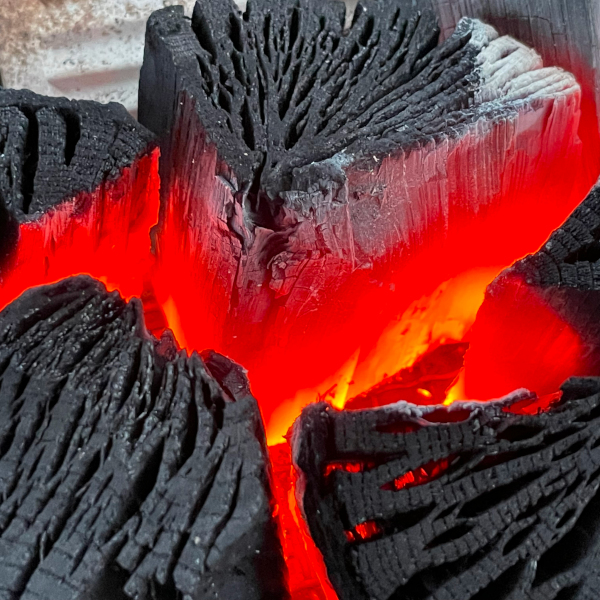
As mentioned in the previous article on “Iwate Kirizumi,” under the Geographical Indication (GI) protection system, only products meeting the registered criteria can use the “Geographical Indication (GI Mark).” This ensures only quality-protected products (goods) circulate in the market.
Geographical Indications serve as the government’s seal of approval that a product meets certain quality standards. By differentiating it from other goods, it helps protect producers and brand value.
Incidentally, among Aichi Prefecture products, “Hatcho Miso,” “Toyohashi Nanbutougan,” and “Toyohashi Hanao” are registered as GI products. (Syszo)
Top Page|Information Website on Japan Geographical Indication Products