Mount Fuji in a Flash: Learning Initial Response in Intellectual Property from a Shinkansen Window

  • February 25, 2026
#design #intellectual property #patent #trademark

 Hello, this is Hiro.
 The other day, I took a photo of Mount Fuji from the window of the Shinkansen heading to Tokyo on a business trip. The visible time was surprisingly short. To catch the moment between passing buildings, I pressed the shutter the instant I thought, “This is it.” A split-second difference drastically changes both the captured scene and the impression.
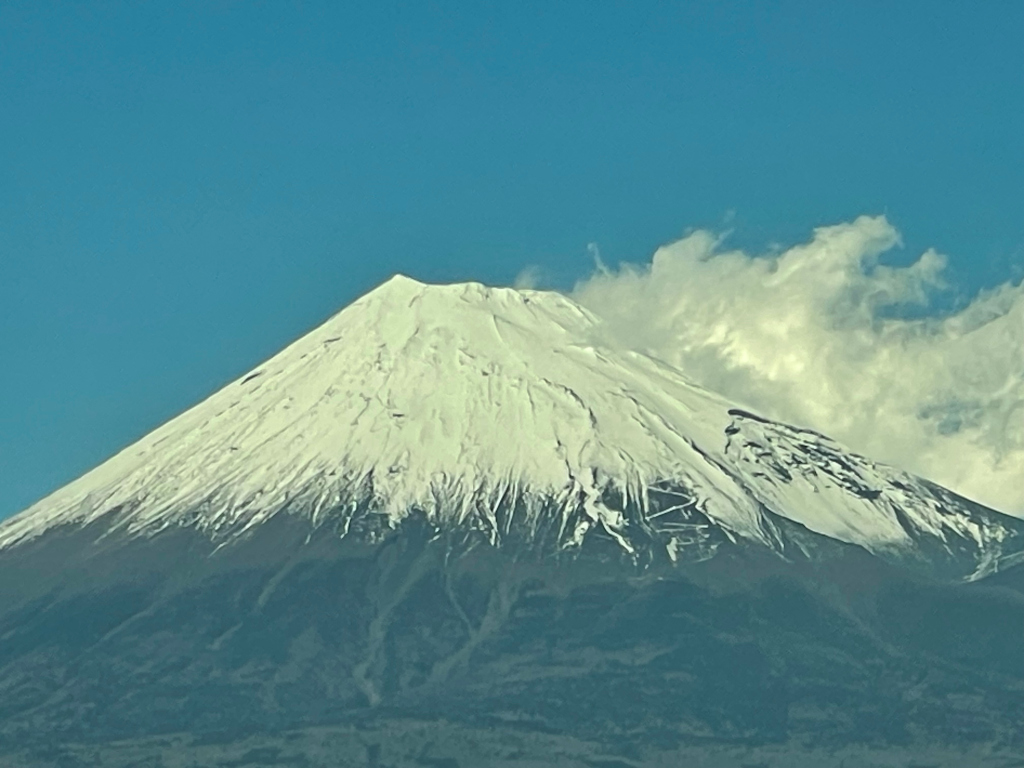
Mount Fuji

 In the world of intellectual property, this “initial response” also determines the outcome. The moment a new product or service is unveiled, the risk of imitation skyrockets. Simultaneously, the available protection options later on (i.e., the “scope that can be protected”) can narrow.
 For instance, with technology (patents) and design (design patents), the timing of disclosure is crucial from a novelty standpoint. Naming (trademarks) is also an area where acting early generally offers an advantage. Preview posts on social media, early listings on e-commerce sites, or “peek-a-boo” reveals at trade shows – that first step can sometimes make subsequent applications or negotiations much harder.
 In reality, stories like “I tested reactions on Instagram before launch, only to see similar products appear the next month” are not uncommon. While some fields (patents, designs) offer remedial systems (so-called exception provisions) even after disclosure, these come with requirements and deadlines and are not universal solutions. This is precisely why considering and preparing applications before disclosure is a highly cost-effective risk management strategy.

 A glimpse of Mount Fuji from a train window passes in an instant, but the “publication” of your business (ideas, designs, naming) remains online, continuously exposed to public view. When you have an idea, start by planning how to protect it. Acting early allows you to “design” how to secure rights and manage disclosure.
 For intellectual property consultations (initial checks for patents, designs, trademarks, etc.), please feel free to use our contact form.
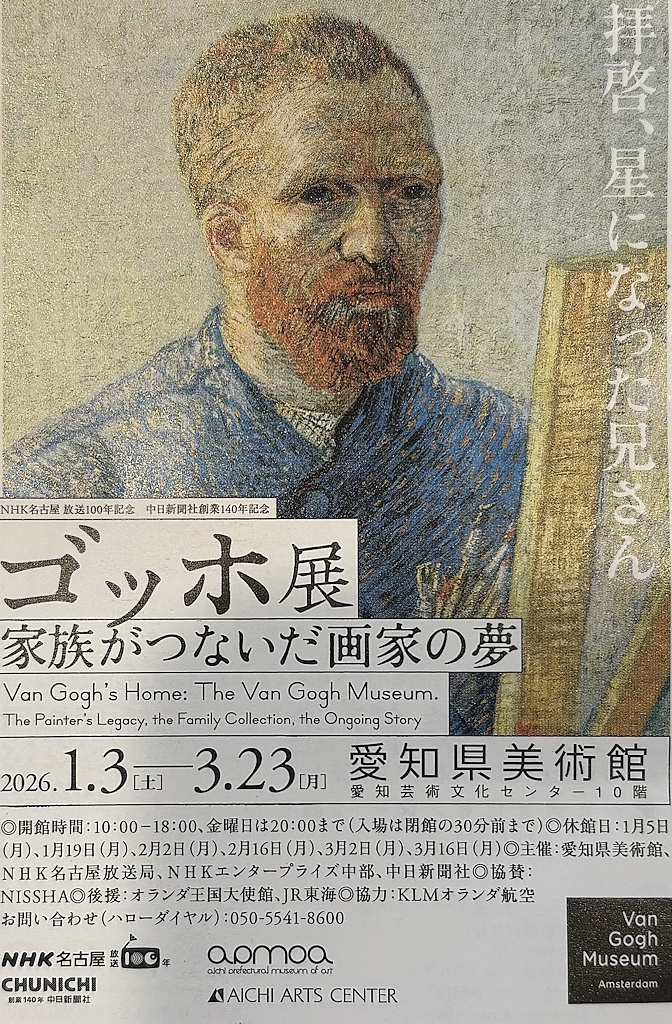
Van Gogh Exhibition

  • February 18, 2026
#copyright #trademark

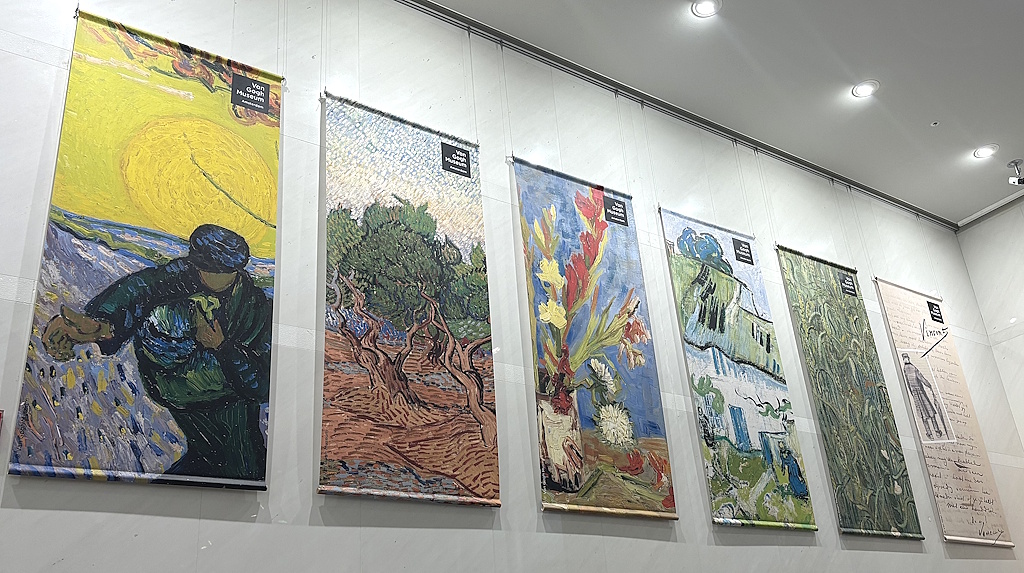
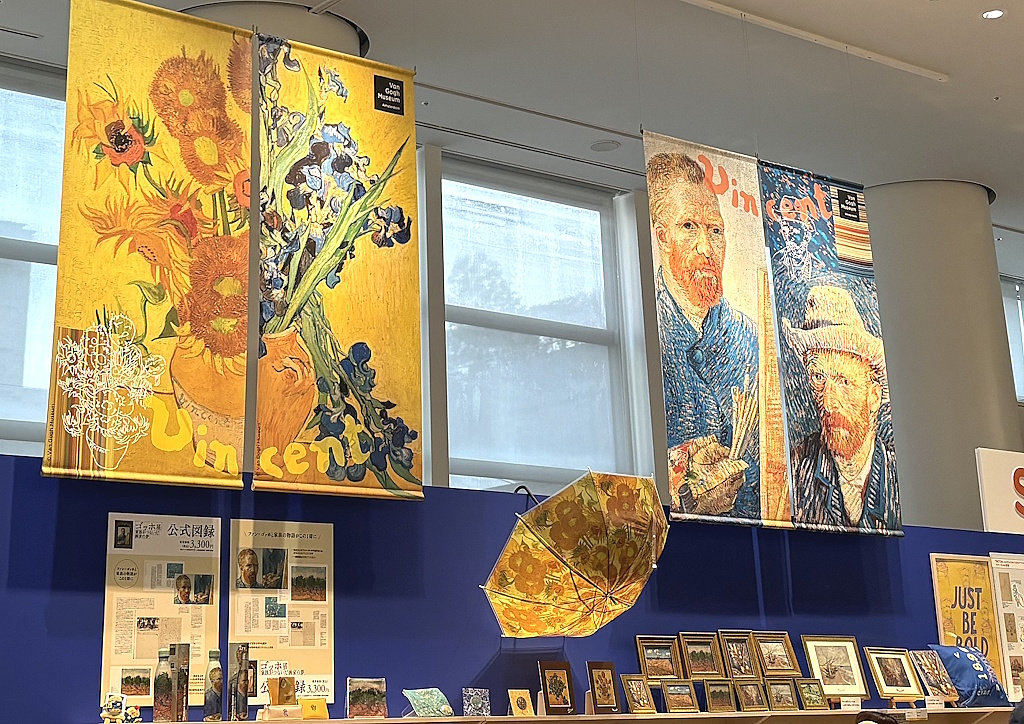
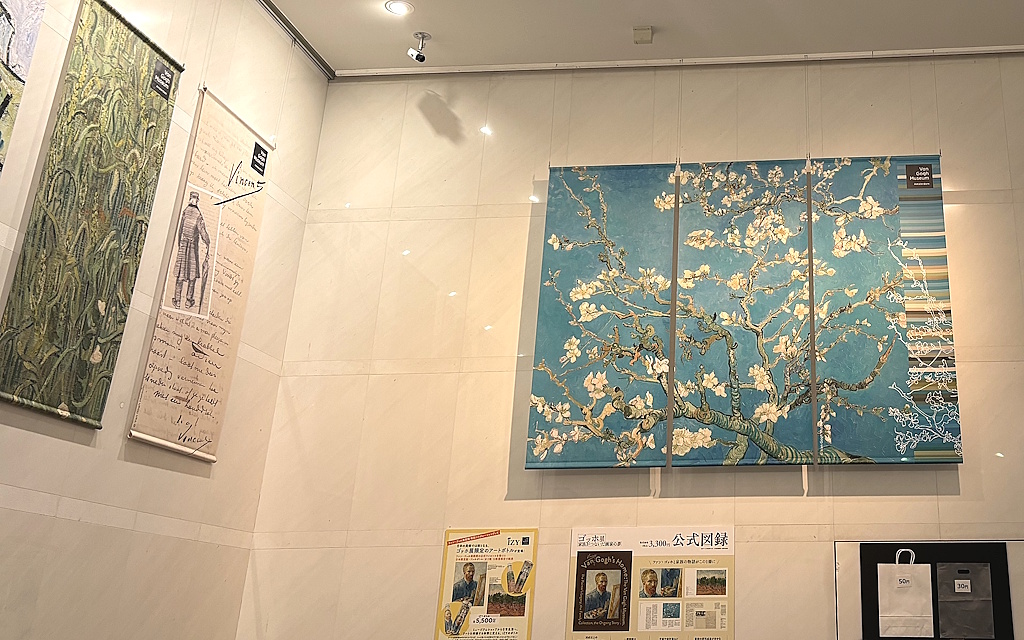
The other day, I visited the “Van Gogh Exhibition: The Painter’s Dream Passed Down by His Family” currently on display at the Aichi Prefectural Museum of Art.

Van Gogh Exhibition

I love Impressionist paintings and frequently visit exhibitions featuring artists like Monet and Renoir. Lately, though, I feel like there are more immersive exhibitions incorporating digital art.
Since 70 years have passed since the deaths of Van Gogh, Monet, and Renoir, their copyrights have expired, placing their works in the public domain. Within the bounds of preserving the integrity of these works, they are reproduced as videos and 3D displays, offering a strange and wonderful experience where you feel as if you’ve stepped into the world of the paintings themselves.

Van Gogh Exhibition

Van Gogh Exhibition

This Van Gogh exhibition features not only paintings but also letters, narrating the relationships between Van Gogh and his family and how “Van Gogh” became a world-renowned painter. Understanding this story while viewing his famous paintings projected on large screens lets you feel the narrative of the art, almost like watching a movie.
About ten years ago, exhibitions typically featured paintings and their descriptions displayed in rooms categorized by era or artist. Technological advances have evolved the experience, bringing the world of art closer to us.

Van Gogh Exhibition

Incidentally, even if someone applied to trademark the name “Van Gogh,” it seems unlikely to be registered due to violating public order and morals (such as unauthorized use of a deceased person’s famous name causing detriment). (Chamomile)

Van Gogh Exhibition: The Painter’s Dream Passed Down by His Family | Exhibitions | Aichi Prefectural Museum of Art (Japanese only)

What Holds Things Together

  • February 10, 2026
#invention

It’s me Swimmer. Though the first day of spring has passed, the cold days continue, don’t they?
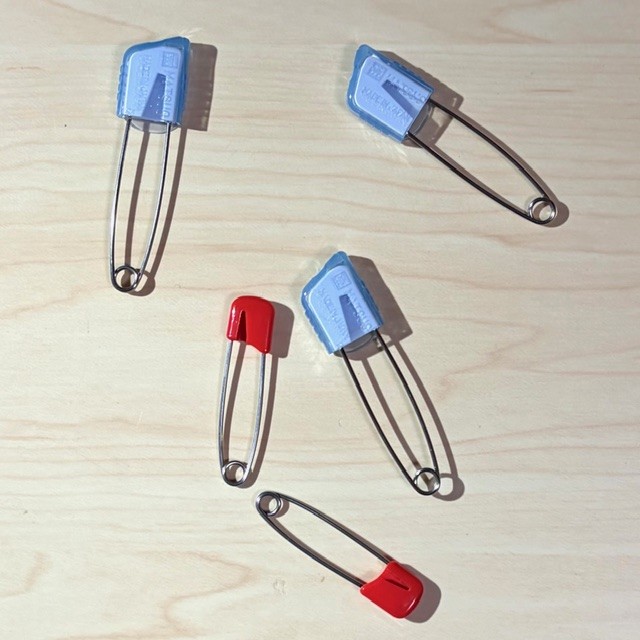
When winter comes, safety pins find use in various places around my home. Their purpose is warmth—securing fluffy towels to the quilt, and holding garments together.
Now, the history of this safety pin is quite ancient, apparently dating back to the Mycenaean civilization around the 14th century BC. By the 13th century BC, it seems to have taken on a form almost identical to the one we use today.
However, perhaps because its use was mainly for jewelry, it gradually faded into obscurity amidst the shifts of time and civilizations. Its revival came surprisingly late, in 1849, when it was reinvented by American inventor Walter Hunt.

safety pins

Since then, safety pins have undergone refinements and improvements, remaining a convenient household item to this day.
Today, this object that “connects and holds things together” seems to have taken on additional roles: its shape and function now also symbolize rebellion and signify solidarity.

Safety pin – Wikipedia

Fab 4

  • February 4, 2026
#copyright

Today, February 4th (Feb. 4), is celebrated as the anniversary of a certain great artist, inspired by their nickname, the “Fabulous Four.”

That artist is “The Beatles.”

Debuting over 60 years ago, they produced numerous songs—their so-called works—until their de facto breakup in 1970. All self-composed songs released during their active period were written and composed by the members themselves, with the most frequent credit being “Lennon-McCartney,” the joint name of John Lennon and Paul McCartney.

Lennon-McCartney works continue to captivate and influence people worldwide. However, the copyrights to these works would lead to prolonged financial disputes between the parties involved.

This is attributed to the fact that when they first established the music publishing company “Northern Songs” to manage the copyrights of Lennon-McCartney works, John and Paul entered into a contract with the company without fully understanding copyright law.

For those interested, the following book details this extensively, so please check it out. (p)
Northern Songs: Who Bit the Beatles’ Apple? | Shinco Music Entertainment | Publisher of Sheet Music [Scores], Music Books, and Magazines (Japanese only)

Reference Links
The Beatles – Wikipedia
Lennon–McCartney – Wikipedia

Finally, here’s a little something for everyone: an irregular time signature.