Mount Fuji in a Flash: Learning Initial Response in Intellectual Property from a Shinkansen Window

  • 2026年02月25日
#design #intellectual property #patent #trademark

 Hello, this is Hiro.
 The other day, I took a photo of Mount Fuji from the window of the Shinkansen heading to Tokyo on a business trip. The visible time was surprisingly short. To catch the moment between passing buildings, I pressed the shutter the instant I thought, “This is it.” A split-second difference drastically changes both the captured scene and the impression.

Mount Fuji

 In the world of intellectual property, this “initial response” also determines the outcome. The moment a new product or service is unveiled, the risk of imitation skyrockets. Simultaneously, the available protection options later on (i.e., the “scope that can be protected”) can narrow.
 For instance, with technology (patents) and design (design patents), the timing of disclosure is crucial from a novelty standpoint. Naming (trademarks) is also an area where acting early generally offers an advantage. Preview posts on social media, early listings on e-commerce sites, or “peek-a-boo” reveals at trade shows – that first step can sometimes make subsequent applications or negotiations much harder.
 In reality, stories like “I tested reactions on Instagram before launch, only to see similar products appear the next month” are not uncommon. While some fields (patents, designs) offer remedial systems (so-called exception provisions) even after disclosure, these come with requirements and deadlines and are not universal solutions. This is precisely why considering and preparing applications before disclosure is a highly cost-effective risk management strategy.

 A glimpse of Mount Fuji from a train window passes in an instant, but the “publication” of your business (ideas, designs, naming) remains online, continuously exposed to public view. When you have an idea, start by planning how to protect it. Acting early allows you to “design” how to secure rights and manage disclosure.
 For intellectual property consultations (initial checks for patents, designs, trademarks, etc.), please feel free to use our contact form.
IP Festival 2025

  • 2025年09月23日
#intellectual property #patent attorney

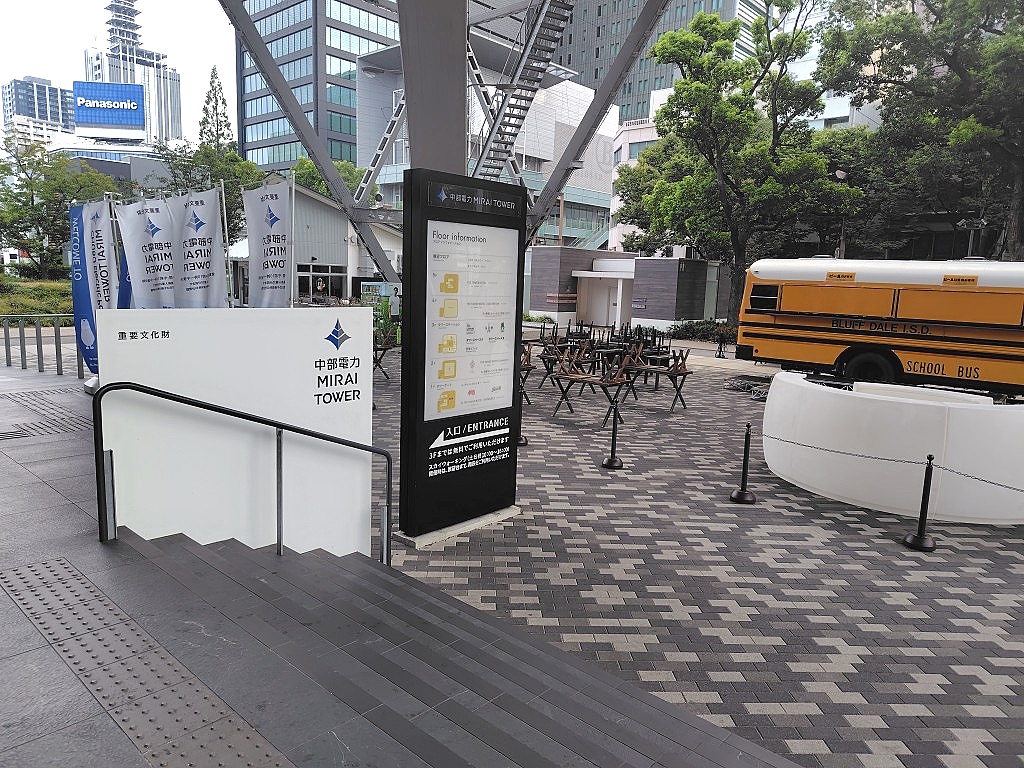
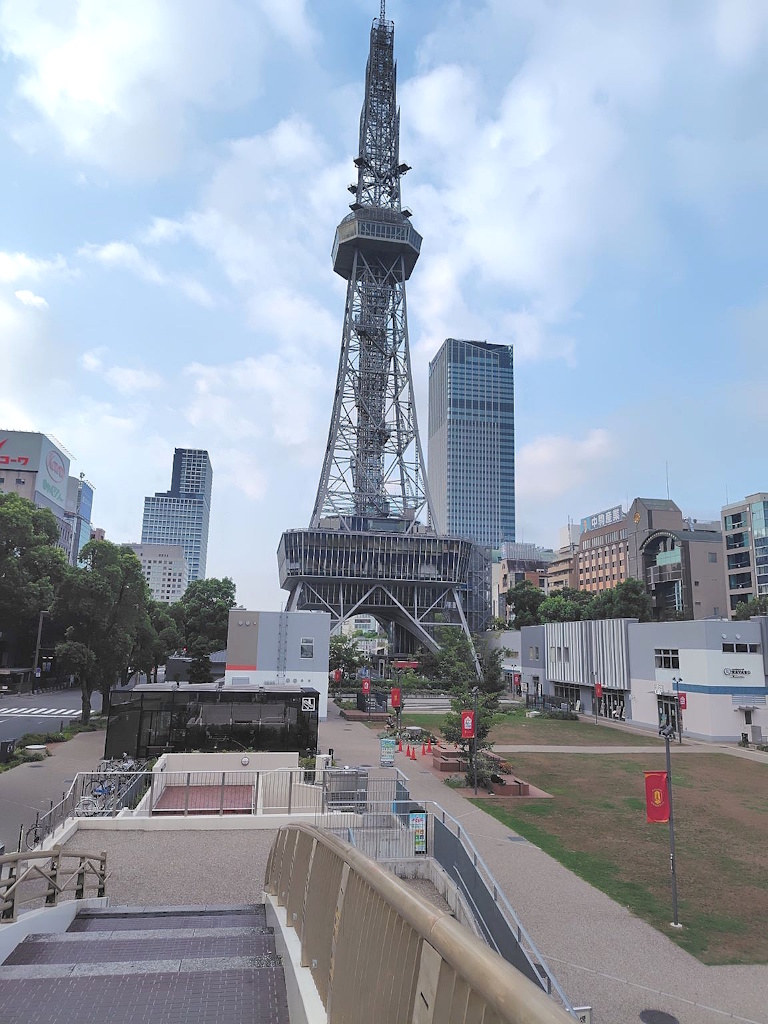
 The Tokai Branch of Japan Patent Attorneys Association will host “IP Festival 2025” on Saturday, October 4, 2025, at Chubu Electric Power MIRAI TOWER (Sakae, Nagoya City). This event aims to provide opportunities for the general public to understand intellectual property and develop an interest in patent attorneys. Guest speakers on intellectual property include inventor YouTuber Kazuya Shibata and Kunihiko Horii, President and CEO of Libre Inc. (Headquarters: Nagoya City).
 Mr. Kazuya Shibata invents various convenient everyday items and introduces them in his videos.
https://www.youtube.com/channel/UCEJT4uFeT34AGob1v7mhVzg
 Mr. Kunihiko Horii has invented numerous new technologies, including cooling garments using Peltier elements, garments with ventilation/temperature control functions, and body temperature regulation clothing.
https://rible.jp/company/
 Other events include a customs talk show and consultation sessions hosted by the Tokai Branch of Japan Patent Attorneys Association. Why not experience the world of intellectual property while having fun? (Conan)

【IP Festival 2025 Schedule Overview】
Date & Time: Saturday, October 4, 2025, 11:00 AM – 5:00 PM
Main Venue: Special Stage in front of Chubu Electric Power MIRAI TOWER (set up in front of the yellow bus)

Chubu Electric Power MIRAI TOWER

Indoor Venue: Chubu Electric Power MIRAI TOWER 3F Event Space (Free Admission)

11:00 AM~: Opening, University Club Performances, Customs Talk Show
1:00 PM~: Guest Talk Show
Around 1:30 PM: Appearance by Mr. Kazuya Shibata
Around 2:15 PM: Appearance by Mr. Kunihiko Horii
3:00 PM~: University Club Performances
(Note) Please note that the schedule is subject to change.

Chubu Electric Power MIRAI TOWER

Chubu Electric Power MIRAI TOWER
https://www.nagoya-tv-tower.co.jp/

Career Yearbook 2025: Introducing Jobs for Elementary and Junior High School Students

  • 2025年09月10日
#intellectual property #patent #patent attorney

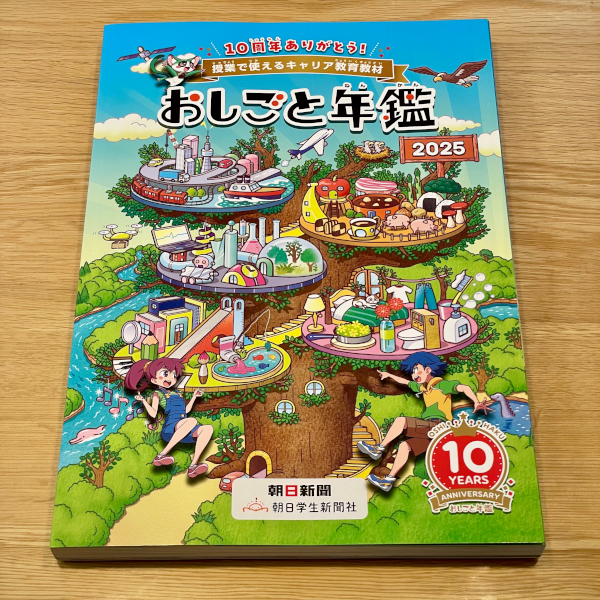
 The Asahi Student Newspaper recently published “Career Yearbook 2025”.
Asahi Student Newspaper Career Yearbook 2025”(Japanese only)

Career Yearbook 2025

 The “Career Yearbook” is a career education resource for elementary and junior high school students, first published in 2016 as part of the career education support project “Career Museum.” Each year, with the cooperation of leading Japanese companies and organizations, it introduces various jobs and people who support society.
 It is structured so children can enjoy learning about the world’s jobs through a format where companies and organizations answer their simple questions, such as: “What are gummy candies made of?”, “Why can heavy rockets fly into space?”, “Is it true animals might disappear from Earth?”, and “What kind of pen is a highlighter?”.

・The work of patent attorneys is also featured
 “Career Yearbook 2025” covers the work of over 110 companies and organizations, including the role of patent attorneys.

 The article, timed with the ongoing EXPO 2025 Osaka-Kansai World Expo, highlights the “Progress of the Telephone” over 55 years since the 1970 Osaka Expo. It uses a two-page spread to explain the role of intellectual property rights like patents and the contributions of patent attorneys throughout this evolution.
 A web version with a “Review Quiz” is also available. “From Black Telephones to Smartphones: Why Did the Telephone Evolve So Much?”(Japan Patent Attorneys Association) (Japanese only)

・Free distribution to schools, e-book version also available
 “Career Yearbook 2025” is distributed free of charge to approximately 30,000 elementary and junior high schools nationwide. It is also possible to purchase the commercial version or view the e-book version.

 I would be delighted if children reading this book find it a catalyst for considering their future paths and develop an interest in the work of patent attorneys. (Hiro)

Monetization of Patent Rights (Part 2)

  • 2024年09月12日
#intellectual property #patent

 This is a continuation of the previous article. This is a continuation of the typical methods of monetizing patent rights.

5, Litigation and patent infringement warnings

 If another company infringes on your patent rights, you can warn the other company and claim damages by entering into a license agreement with them or by filing a lawsuit against them. However, litigation is time-consuming and expensive and should be done strategically.

6, Building and managing a patent portfolio

 By building a portfolio that combines multiple patent rights (which can include design rights, trademarks, etc.) and proceeding with licensing agreements based on this portfolio, profits can be maximized. Alternatively, the entire portfolio could be sold to a specific company.

7, Participation in patent pools and consortiums

 This is a way to earn licensing fees by participating in a patent pool or consortium and working with other patent holders to license technology to the market. This is particularly effective for patent rights related to standard technologies.

8, Partnering with investors and venture capitalists

 This is a way to monetize patent rights by launching a startup that utilizes the patented technology and obtaining funds from affiliated investors and venture capitalists. If successful, the business based on the patented technology has the potential to generate significant revenues.

9, Leverage tax strategies

 In some cases, tax incentives may be available through the use of patent rights. For example, by utilizing the patent box system (currently not established in Japan), a lower tax rate can be applied to earnings related to patent rights.

 As explained in the above two articles, the ways to monetize patent rights vary depending on the nature of the patent, the market situation, and the company’s strategy, and also vary depending on the country or region where the patent was acquired. By combining the above methods, it is possible to maximize the value of the patent rights (so-called intellectual property rights) acquired in each country.

 If you have any questions or need further advice, please contact us.
(Maruhachi)

Monetization of Patent Rights (Part 1)

  • 2024年09月10日
#intellectual property #patent

 There are several possible strategies for businesses to monetize patent rights. Typical methods are listed below.

1, Licensing

 Exclusive license: this is a method of granting a patent right exclusively to a specific company for a license fee. This gives the company an advantage over other competitors.
 Non-exclusive license: a method of obtaining a broad license fee by granting a license to several companies at the same time. License fees tend to be lower than those for exclusive licenses, but it allows diversification of revenues.

2, Cross-licensing

 This is a strategy of exchanging patent rights with another company to make the technology owned by both parties mutually available. This reduces the payment of license fees and the risk of patent infringement and encourages the development of new technologies.

3, Commercialization

 This is a way of earning direct revenues by commercializing the patented technology in-house and offering it to the market as a product or service. This requires manufacturing, sales and marketing capabilities.
 Offering the product, service or business model covered by the patent right to the market on your own (e.g. by implementing the product on your own, using the method on your own) is an inherently basic and core way of implementing a patented invention (the traditional way of utilizing the patent system).
 Commercialization has the potential to maximize the value of the patent.

4, Sale of patent rights

 Selling the patent rights in a lump sum is a way of obtaining immediate capital. It is important to estimate the future value of the patent rights and sell them at an appropriate price. Possible sellers include other companies in the same industry, patent brokers or investors.

 These are some of the ways to monetize (utilize) patent rights, which will be continued in the next article.
(Maruhachi)

About nail clippers

  • 2024年09月06日
#design #intellectual property #patent

It’s Swimmer.
The other day, while watching a TV program on new product development failures, I heard a lot of words related to intellectual property, such as ‘patent rights’, ‘infringement’, ‘design rights’, etc. I thought to myself, I usually hear about patents, but in comparison, I don’t hear much about designs.

How to dodge other companies’ intellectual property rights, the hardships of selling new products, and how to strengthen one’s own intellectual property after twists and turns…… were very interesting. I felt that there are more and more opportunities to encounter intellectual property terms even in this kind of variety-style program.

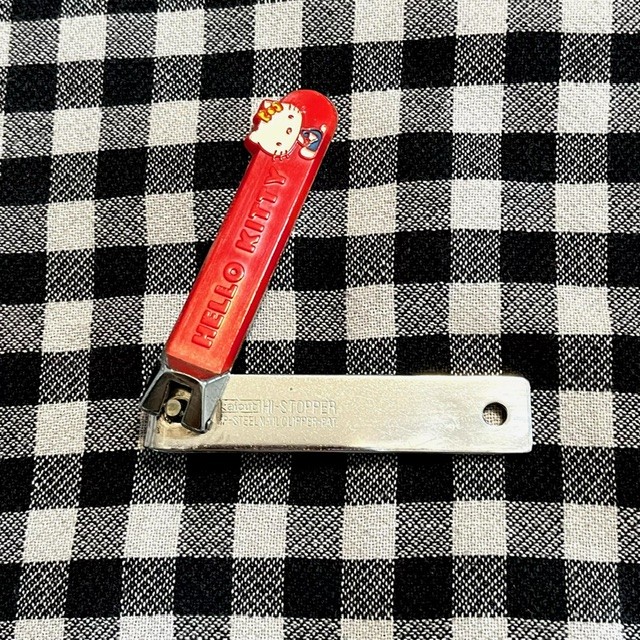
nail clipper

The image shows a nail clipper manufactured by the company featured in the program that has been used in our home for over 40 years. It still cuts very well.

The Yellow and White Paper

  • 2024年08月21日
#design #intellectual property #patent #trademark

My family and I often go to “Kura Sushi” in our neighborhood.
However, it is always crowded, and we often have to wait even if we have a reservation.
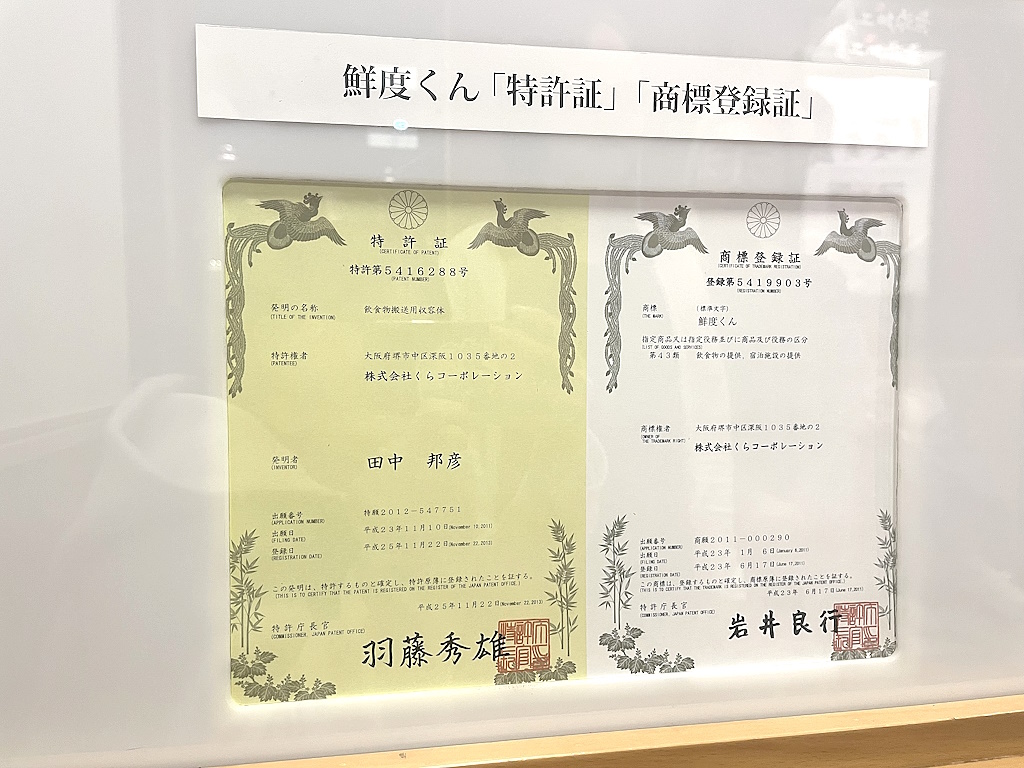
One day, when we were waiting in the restaurant to be called as usual, I happened to see a familiar piece of paper displayed in a frame behind the waiting seat where I happened to sit.

a patent certificate and a registration certificate

What a surprise…a patent certificate and a registration certificate Σ(・ω・ノ)ノ!
I said to my family, “Look! There are patent and registration certificates!” (laugh).
It was the first time I noticed them at Kura Sushi, a place I have visited many times, and I was a little happy to encounter them in such a familiar place.

With 35 patents, 15 designs, and 531 trademarks, you can see that Kura Sushi Co. puts a lot of effort into intellectual property. (Rabbit)

Using Licensable Patent ~IP Business Matching~

  • 2024年03月06日
#intellectual property

 Have you ever heard of ‘IP business matching’?
 It is not always the case that a company creates its own original intellectual property rights. A company sometimes uses the licensable patents of other companies to develop new products. IP business matching is the creation of a new IP business by bringing together the seeds of companies holding unused patents and the needs of companies seeking patented technology that can be used to develop their own products.

Business Matching

 For example, the Chubu Bureau of Economy, Trade and Industry has a guidebook on IP business matching on its website.

https://www.chubu.meti.go.jp/b36tokkyo/sesaku/chizai_businessmatching/matching_toppage.html (Japanese only)

 An example of IP business matching was previously introduced in the program ‘Gogosumatching TV’ on CBC TV (a broadcaster in the Chubu region).

https://hicbc.com/tv/gogosumatchingtv/ (Japanese only)

Business Matching

 Depending on the company using it, the basic technology of the same licensable patent may be used for a completely different product. It is also possible that a new invention may be created by combining the basic technology with another technology. Recently, IP business matching has attracted attention as a form of IP strategy.
 Please contact our Firm for further information. (Conan)

‘Minna no Mori’ Gifu Media Cosmos ~Everybody’s Library and other Cultural-Arts Complex~

  • 2024年02月07日
#intellectual property #trademark

 Hello, this is Hiro.
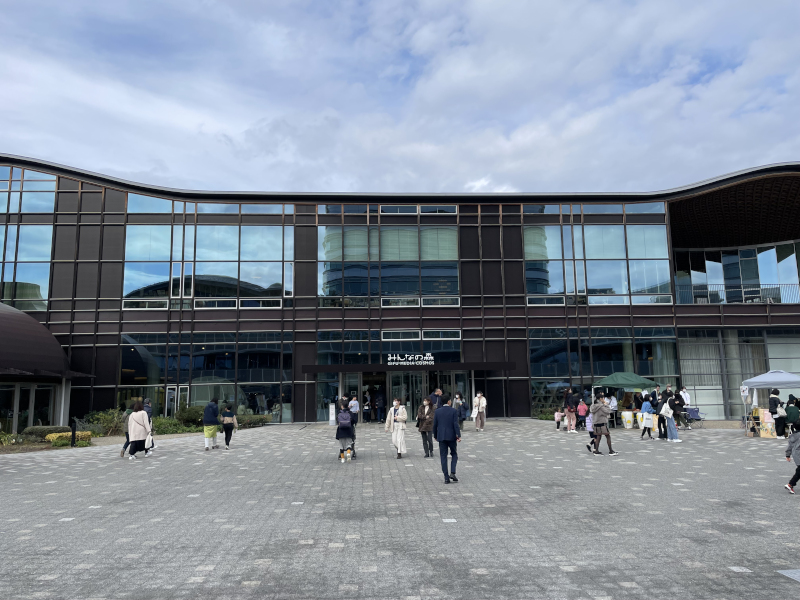
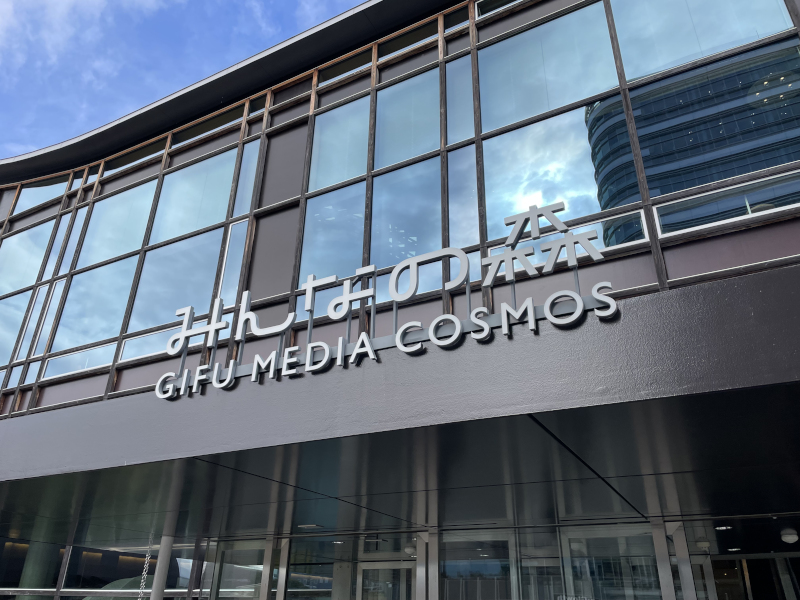
 I received an invitation from my child’s elementary school and kindergarten to visit the Gifu City Art Exhibition, so my family and I went to see the exhibition. The venue was “Minna no Mori Gifu Media Cosmos”. “Minna no Mori Gifu Media Cosmos” is a cultural-arts complex centered on the Gifu City Library, completed in 2015.

'Minna no Mori' Gifu Media Cosmos ~Everybody's Library and other Cultural-Arts Complex~ 'Minna no Mori' Gifu Media Cosmos ~Everybody's Library and other Cultural-Arts Complex~

 The Gifu City Art Exhibition was held in the exhibition space on the first floor of “Minna no Mori Gifu Media Cosmos”. Many paintings, prints, brushstrokes, and other works by children attending nursery schools, kindergartens, elementary and junior high schools, and special-needs schools in Gifu City were on display. Unfortunately, our child’s work was not on display, but it was nice to see many works of art by children with a child-like touch and detailed drawings.

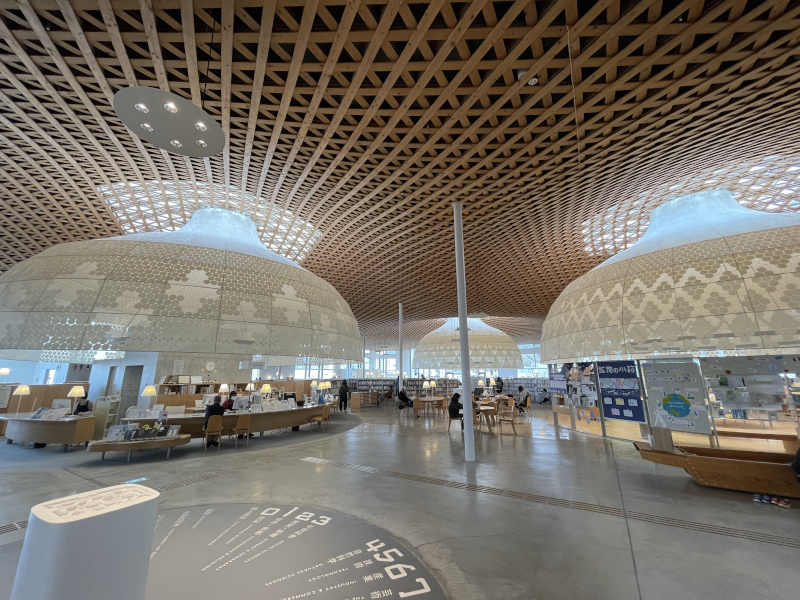
 After viewing the Gifu City Art Exhibition, we went to the library on the second floor. The wooden lattice ceiling and several hanging globes from it are beautiful and make the space very comfortable and cozy.

'Minna no Mori' Gifu Media Cosmos ~Everybody's Library and other Cultural-Arts Complex~ 'Minna no Mori' Gifu Media Cosmos ~Everybody's Library and other Cultural-Arts Complex~

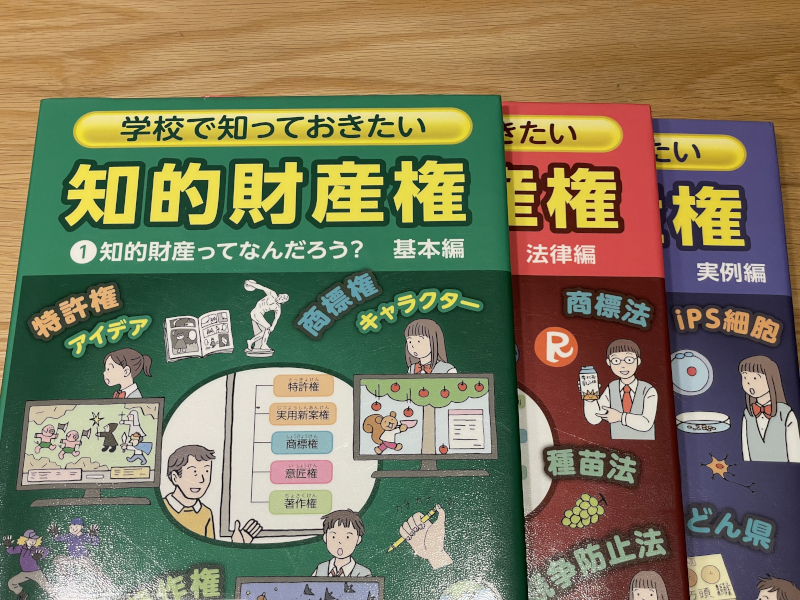
 I had visited this library once a few years ago but did not use it at that time. This time, I made a new user card and borrowed books. I borrowed six books on intellectual property practice and a book on intellectual property for elementary and junior high school students, “Intellectual Property Rights You should Know at School 1-3 “.

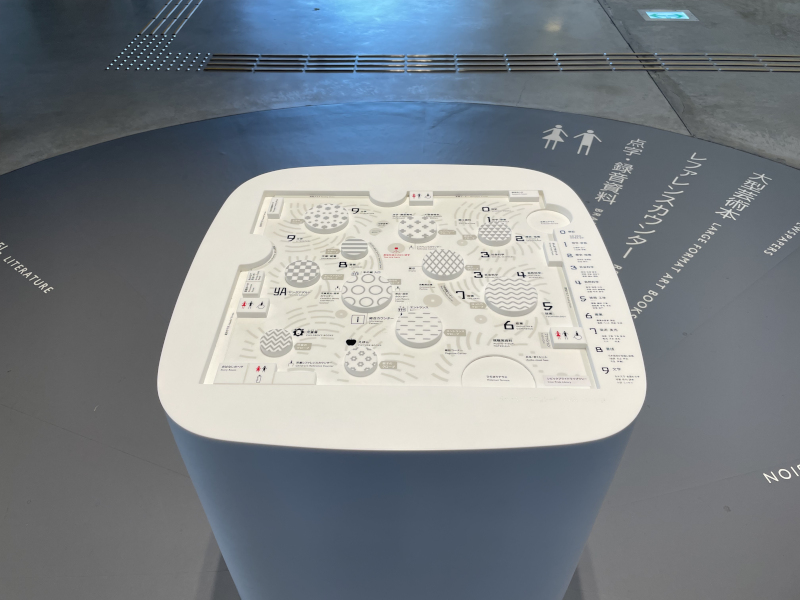
'Minna no Mori' Gifu Media Cosmos ~Everybody's Library and other Cultural-Arts Complex~

 ”Intellectual Property Rights You Should Know at School 1-3″ is supervised by Mr. Tetsuhiro Hosono, born in Gifu Prefecture who served as Commissioner of the Japan Patent Office from 2009 to 2011. The books are described with many cartoons, figures, and photographs, making it easy for elementary and junior high school students to understand. The book is recommended not only for children but also for adults as a book to learn about intellectual property rights.

 ”Minna no Mori” and “Gifu Media Cosmos” are registered as trademarks for services in Class 41 “book rental, art exhibitions,…” and Class 43 “rental of facilities for exhibitions…” (Japanese Registration No. 5522323 and 5522324).

Foreign language | みんなの森 ぎふメディアコスモス – ´Minna no Mori’ Gifu Media Cosmos (g-mediacosmos.jp)

Space Education Recommendations

  • 2024年01月31日
#copyright #intellectual property

The Small Lunar Module (SLIM) launched by JAXA became the fifth country in the world to successfully land on the Moon. Unfortunately, the planned lunar exploration seems to be difficult due to a problem with the landing attitude, but we will keep our eyes on the future of this project.
By the way, JAXA provides a variety of educational materials for free on its website. Please read the terms and conditions of copyright and intellectual property rights carefully before using these materials, and try them at home.
https://edu.jaxa.jp/materialDB/

The image is a picture of the moon I took with my smartphone a few years ago. You can see something in the reflection.
(Swimmer)

moon