Front-Backless, Heel-less Socks

  • June 24, 2026
#patent

 I will introduce patented products that you see every day without even noticing.
 This time, I will be featuring socks that have no right or wrong side and no heel—so you can put them on even with your eyes closed.

 These socks are a product of HONESTIES Co., Ltd. (Izumisano City, Osaka Prefecture), which was also featured in the Japan Patent Office’s newsletter “Tokkyo” Vol. 67. They utilize a different patented technology than the one featured in the magazine.

 HONESTIES Co., Ltd. develops innerwear that eliminates the distinction between front and back, as well as right and wrong sides.
 Promoting barrier-free clothing and a stress-free lifestyle for everyone, the company is highly regarded for its universal design that reduces the burden of daily life for all people, including those with visual impairments, those who need assistance changing clothes, those with developmental disabilities, and the elderly.
 In 2020, the company received the “Good Design Award.”

 Here is the actual product. I’ve used it a few times, so it shows some wear—sorry about that! (laughs)
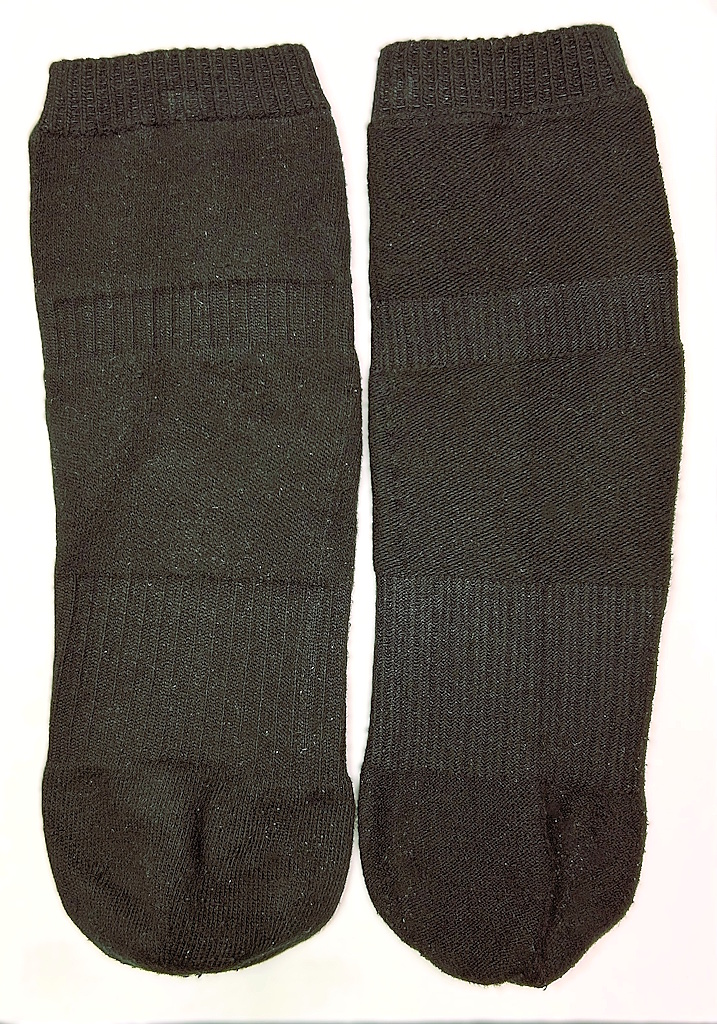
Front-Backless, Heel-less Socks

 The key feature is that it can be worn without worrying about which side is up or down, or which is the front or back. Regarding the socks, “There is no inside or outside. There is no heel. Since there is no specific direction, you can put them on even with your eyes closed.”
 is how they describe them (Website).

 After trying them out, I found the fabric to be sturdy and durable on both sides, and you can wash them without fixing the sides.
 What’s more, once they’re dry, you can just slip your feet right back in. You can’t see the heel, but when you put them on, it’s amazing how naturally they mold to your heel.

 It’s a product that makes a part of your busy daily life just a little bit easier.
(blink)
The Old Tōkaidō Fifty-Three Stations: Chirifu Station

  • June 17, 2026
#patent #trademark

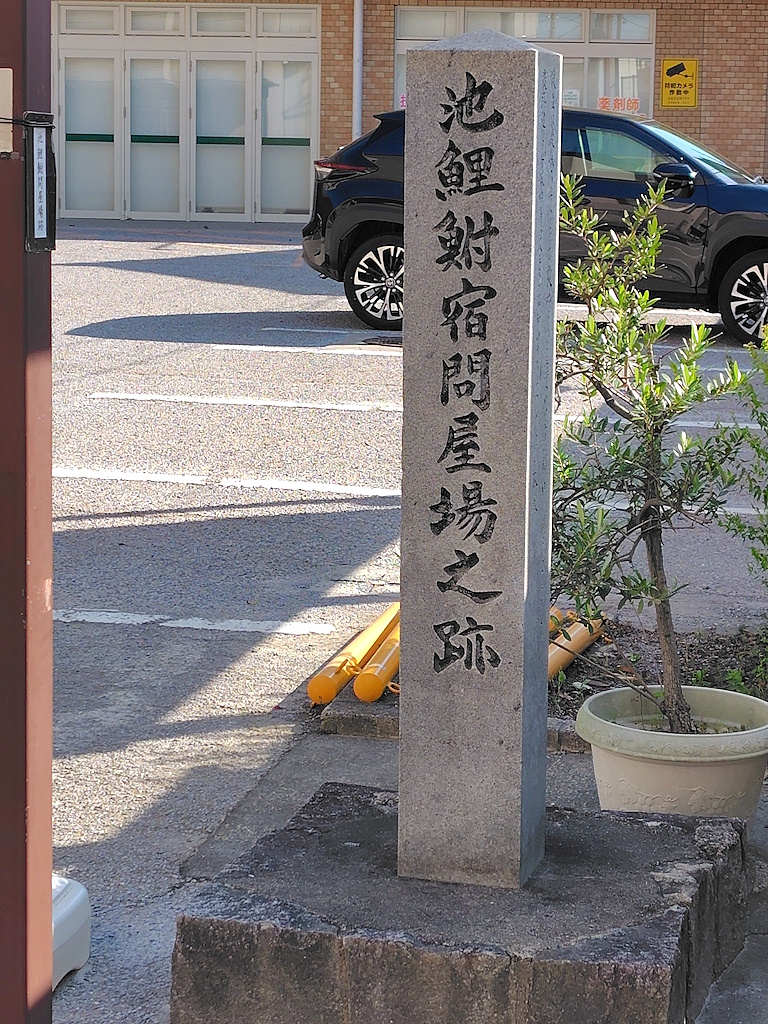
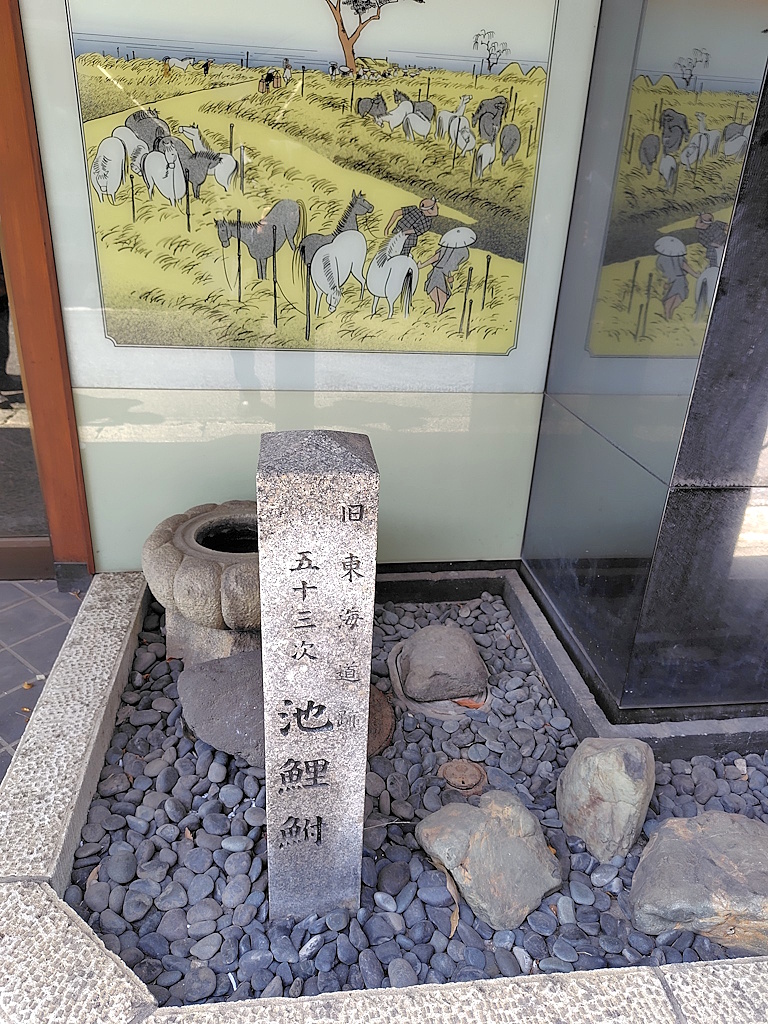
During the Edo period, Chirifu Station—one of the Fifty-Three Stations of the Tōkaidō—was located in what is now Chiryu City, Aichi Prefecture.

The Old Tōkaidō Fifty-Three Stations: Chirifu Station

The Old Tōkaidō Fifty-Three Stations: Chirifu Station

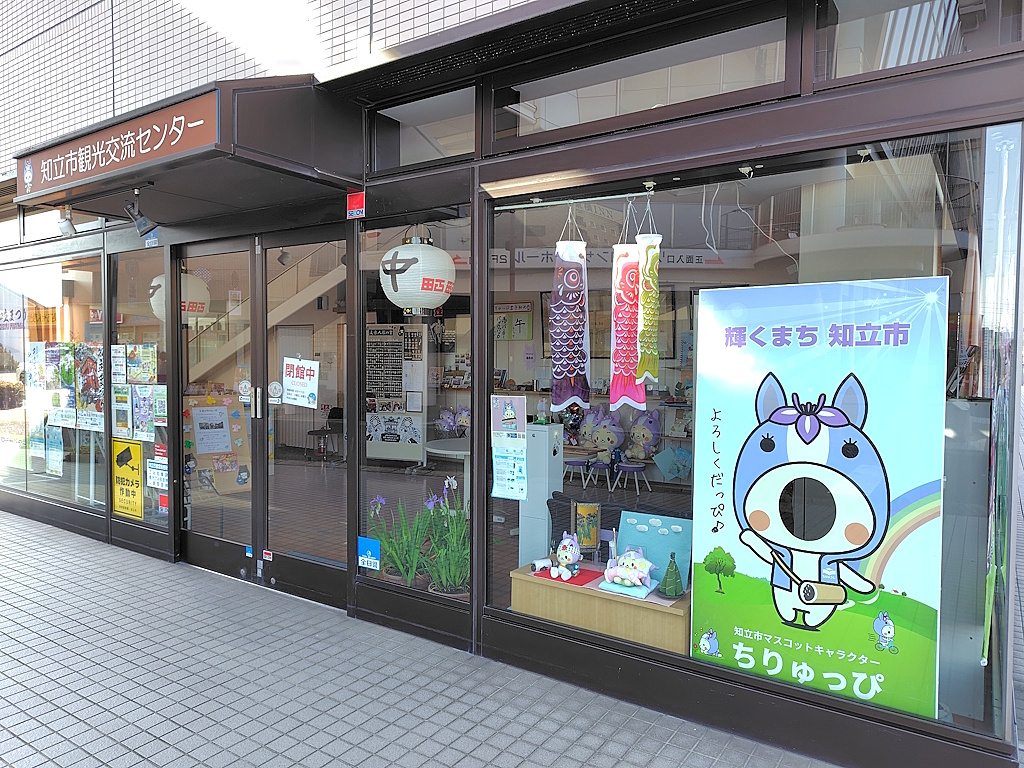
The Chiryu City Tourism Exchange Center is located near the stone monument shown in the photo. Upon entering, you are greeted by a plush toy of “Chiruppi,” Chiryu City’s mascot character.

The Chiryu City Tourism Exchange Center

The figurative trademark for the mascot, for which Chiryu City holds the trademark rights, and the standard character trademark for “Chiruppi” were registered 10 years ago (in 2016) with various merchandise items designated as the goods covered by the registration. Note that the pronunciation of the figurative trademark is not “Chiruppi,” but rather “Chiryushi” or “Chiryu-shi.”

Figurative Trademark: Japanese Trademark Registration No. 5888931 (link below), No. 5969661
https://www.j-platpat.inpit.go.jp/c1801/TR/JP-2016-042337/40/en

Standard character trademarks: Japanese Trademark Registration No. 5888932 (link below), No. 5969662
https://www.j-platpat.inpit.go.jp/c1801/TR/JP-2016-042338/40/en

In addition, FUJI Co., Ltd., headquartered in Chiryu City, Aichi Prefecture, has filed numerous patent applications for electronic component mounting machines, machine tools, and other products. (Conan)

Health Checkups and “Health Management” – A Look at a Term That’s Become More Familiar and the Story Behind the Trademark

  • June 10, 2026
#trademark

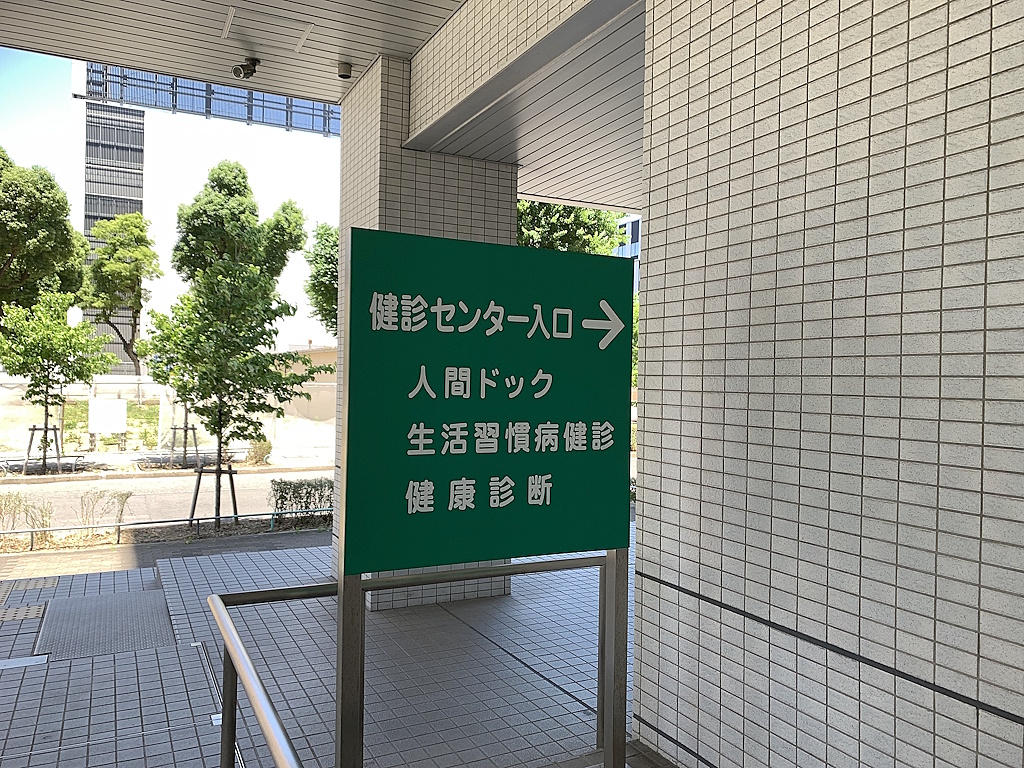
The other day, I went for my annual health checkup. I haven’t received the results yet, but it will undoubtedly be a good opportunity to take a fresh look at my health.

Health Checkups

This fiscal year, with the addition of new subsidies for health checkup costs by the Japan Health Insurance Association (Kyokai Kenpo), I get the impression that significant effort is being put into promoting and spreading the concept of “Health Management.” In fact, I often see this term in Kyokai Kenpo newsletters and other materials.
Recently, I’ve also started seeing the term “Health Management” in brochures from corporate insurance companies.

Incidentally, “Health Management” is a registered trademark (Japanese Trademark Registration No. 4922981) of the NPO Health Management Research Association, and it was reportedly registered in January 2006. The classification is Class 44, which includes medical care and health guidance. I was a little surprised to learn that this term has actually been around for quite some time.

On the other hand, upon investigation, I found that there are several other trademarks that include the term “Health Management.” For example, there are “Health Management Plus,” “Health Management Alliance,” and “Health Management Support Plan.” Despite being terms that might be deemed similar, it is clear that all of them are registered in classes that include Class 44.
As for why these are registered, while this is just one perspective, it may be that as the term “Health Management” itself has become widely used and acquired a certain degree of genericness, there are instances where the “Health Management” portion alone is deemed to lack distinctiveness. Therefore, it is likely that the decision on whether a trademark can be distinguished from others is based on the overall composition and combination of the trademark.
The world of trademark registration is truly profound.

If you have questions such as, “I want to register this term as a trademark, but will it be possible?” or “Does it resemble someone else’s trademark?”, please feel free to consult with our firm.

Now, on my way back to the office after successfully wrapping up our annual major event (?!), the bright blue sky was so striking that I snapped a quick photo with the Alex Building—where our office is located—in the background. With renewed enthusiasm, I returned to work♪ (Cacao)

Alex Building

*“Health Management Plus” is a registered trademark of Tokio Marine & Nichido Fire Insurance Co., Ltd.
*“Health Management Alliance” is a registered trademark of Omron Corporation.
*“Health Management Support Plan” is a registered trademark of AIG General Insurance Co., Ltd.

Express Checkout: The Patented Technology Behind 1-Second Checkout

  • June 3, 2026
#patent

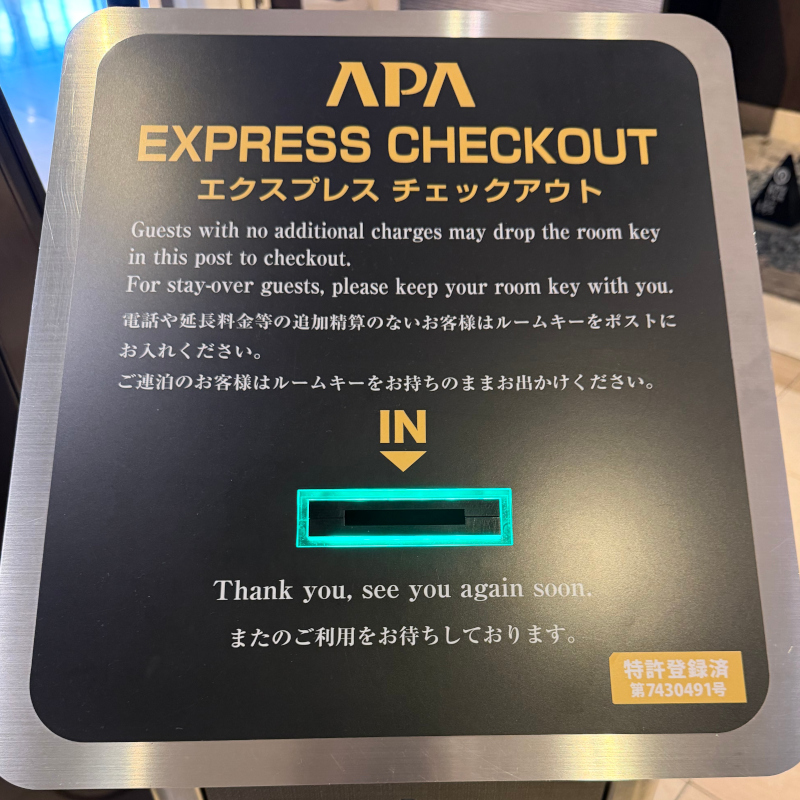
Hello, this is Hiro. During a recent business trip to Tokyo, I stayed at APA Hotel. When I took the elevator down to the first floor to check out, my eye was caught by a kiosk labeled “Express Checkout.” Following the instructions, I inserted my key card into the slot, and my checkout was completed in the blink of an eye. Although this is limited to cases where no additional charges are required, it is a very convenient system that allows you to complete the procedure quickly without involving hotel staff. APA Hotel seems to call this “1-Second Checkout.”

APA EXPRESS CHECKOUT APA EXPRESS CHECKOUT

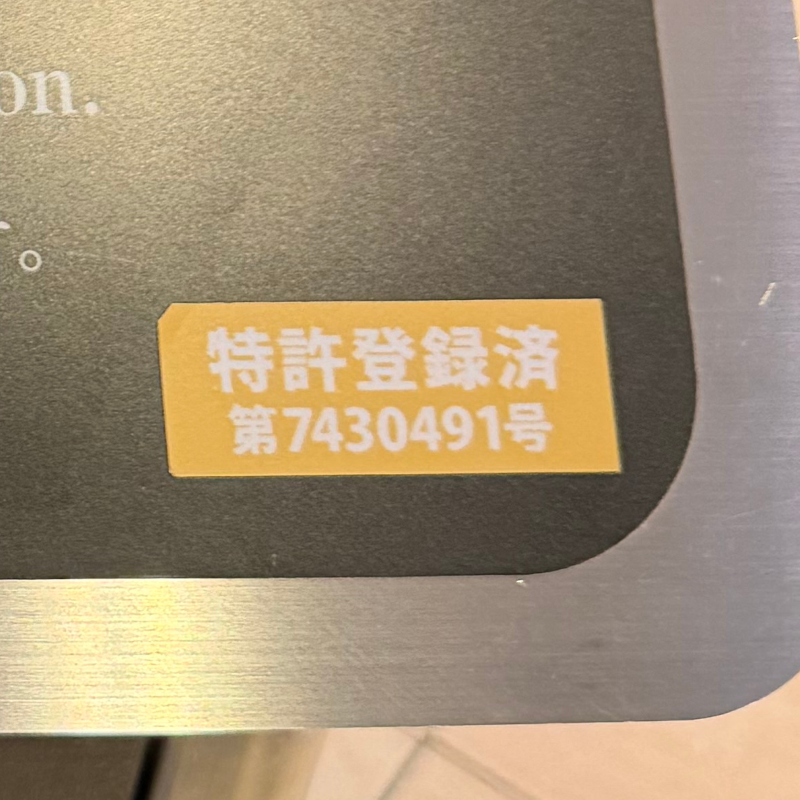
In the lower right corner of the signboard, it said “Patent Registered No. 7430491.” Whenever I see a patent number in my daily life, I can’t help but want to check what it’s about.
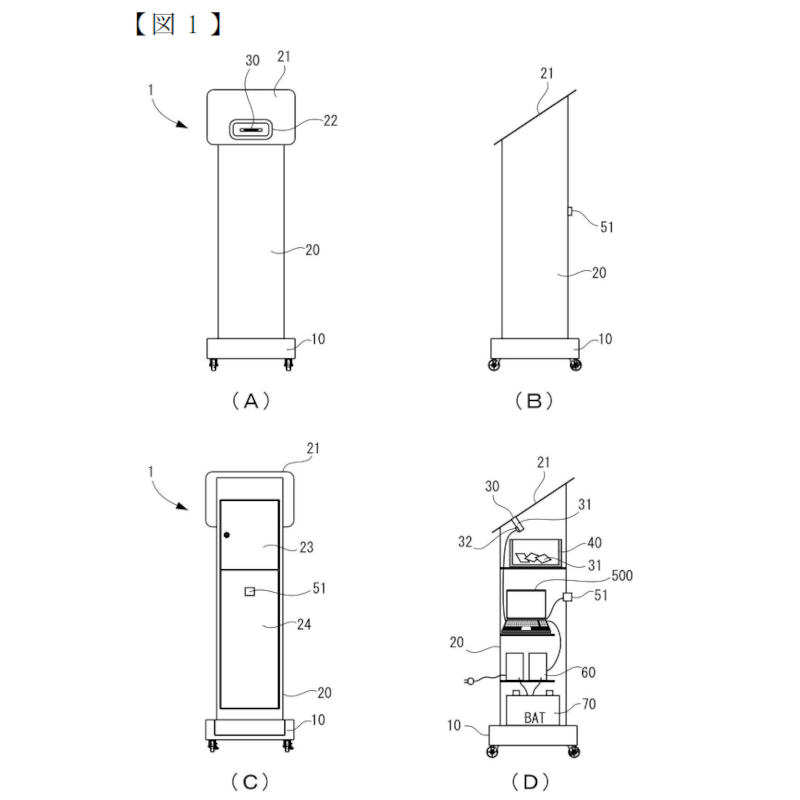
  This patent pertains to a “Room key collection box and checkout system using the same” and it is configured not merely as a collection box but as a device integrated with an operational system.

[Claim 1] (Excerpted verbatim from the patent publication)
The room key collection box includes a housing provided with a room key collection port for collecting a room key in an accommodation facility, and is installed in an arbitrary place to be movable.
A guide path that guides the room key inserted from the recovery port;
A room information reading unit configured to read room information held by the room key;
A room information output unit that outputs the room information to a front office device of the accommodation facility;
A light emitting unit provided at or around the recovery port;
A sensor configured to sense approach of a user
The sensor detects approach of a user and turns on the light emitting unit
A sound output device that emits a reading sound when the room information reading unit normally reads the room information, when the room information reading unit does not normally read the room information, or when a room key moves in the guide path
Wherein an upper surface of the housing is inclined downward toward a front side.

APA EXPRESS CHECKOUT
Figure 1 of Patent No. 7430491 (Excerpt from the Patent Gazette)

To briefly explain the invention of Claim 1, it is a “collection box that automatically performs the acquisition of information necessary for check-out and related processing simply by inserting a room key.”
First, this device is equipped with a collection slot, and the user completes the operation (check-out procedure) simply by inserting the card key. Internally, the inserted key passes through the guide path, and room information is acquired by a reader unit installed along the path.
The acquired information is transmitted to the front desk’s operational system and used for check-out processing and subsequent tasks (such as cleaning the room after the guest’s stay). In other words, this device is not a standalone machine but is designed to integrate with the front desk system.
Furthermore, it incorporates features designed with user convenience in mind. The device is equipped with sensors that cause the area around the return slot to light up when a user approaches. This allows users to intuitively understand where to insert the key. It also features a mechanism that emits sounds based on reading status and operation, providing feedback to users.
Another distinctive feature is that the top surface slopes forward. This is a functional design intended to make the return slot easier to recognize and the key easier to insert, rather than merely a visual design element.
As described above, Claim 1 is characterized by the integration of functions such as “key transport,” “information reading,” “transmission to the system,” and “user guidance.” Although the device appears simple at first glance, the design—which automates business processes triggered by users’ natural actions—is protected by this patent. This serves as a prime example demonstrating that even innovations developed at the service site can qualify for patent protection if expressed as a technical configuration.

Reference: Patent Grant Announcement (APA Hotel (Japanese only))