Nagoya Torrential Rain

  • September 24, 2026
#patent

During the torrential rain in Nagoya on September 8, 2026, flooding brought train service to a halt, leaving many people stranded and unable to return home. I, too, was temporarily unable to go home because the subway had stopped, but I walked to Nagoya Station and, though it was late at night, managed to get home safely. To be honest, I had braced myself for the possibility of having to spend the night at the office, but I was impressed by how quickly service was restored—it made me realize just how much progress has been made in flood control measures in Aichi Prefecture since the 2000 Tokai Heavy Rains.

In urban areas, flood control measures are being implemented that involve temporarily storing rainwater—which the sewer system alone can no longer handle—in underground reservoirs and gradually releasing it once the peak rainfall has passed.
One such rainwater retention and infiltration technology is Sekisui Chemical’s Cross Wave Method. In this method, corrugated plastic blocks are stacked at right angles to one another and buried, creating a space underground with a high void ratio (approximately 95%). This allows rainwater to be temporarily stored. This method has become widespread throughout Japan, and it is reported to have a cumulative storage capacity of 3.9 million ㎥ nationwide.

A search on J PlatPat revealed that Sekisui Chemical Co., Ltd. holds nine active patents with “rainwater storage” included in the invention title.
I recalled that flood control work involving rainwater storage had been underway at a local children’s park for about a year, which made me realize once again the importance of infrastructure technology. (Marron)

Sekisui Chemical Co., Ltd. website on CrossWave (Japanese only): https://sekisui-cw.co.jp/
The Joy of Coming Home from a Trip

  • September 16, 2026
#trademark

Lately, I’ve been buying a lot of drip-bag coffee while traveling.
Not only at local coffee shops, but also at places like art museums, where they sometimes sell their own original blends—so there are actually quite a few opportunities to buy coffee while on the road.

The other day, when I visited Shimane Prefecture, I bought the following two varieties.

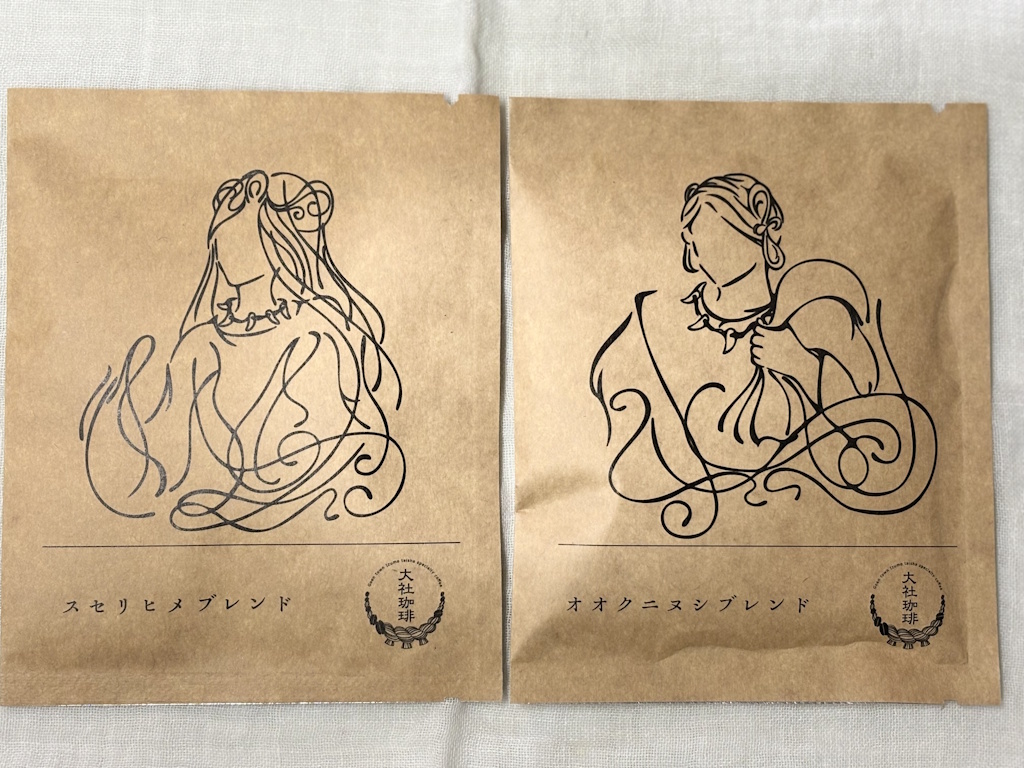
Taisha Coffee

This one is from “Taisha Coffee,” which has a shop near Izumo Taisha Shrine.
The packaging really captures the essence of Izumo Taisha, doesn’t it?
Official Website: https://maruco.co.jp/taishacoffee/

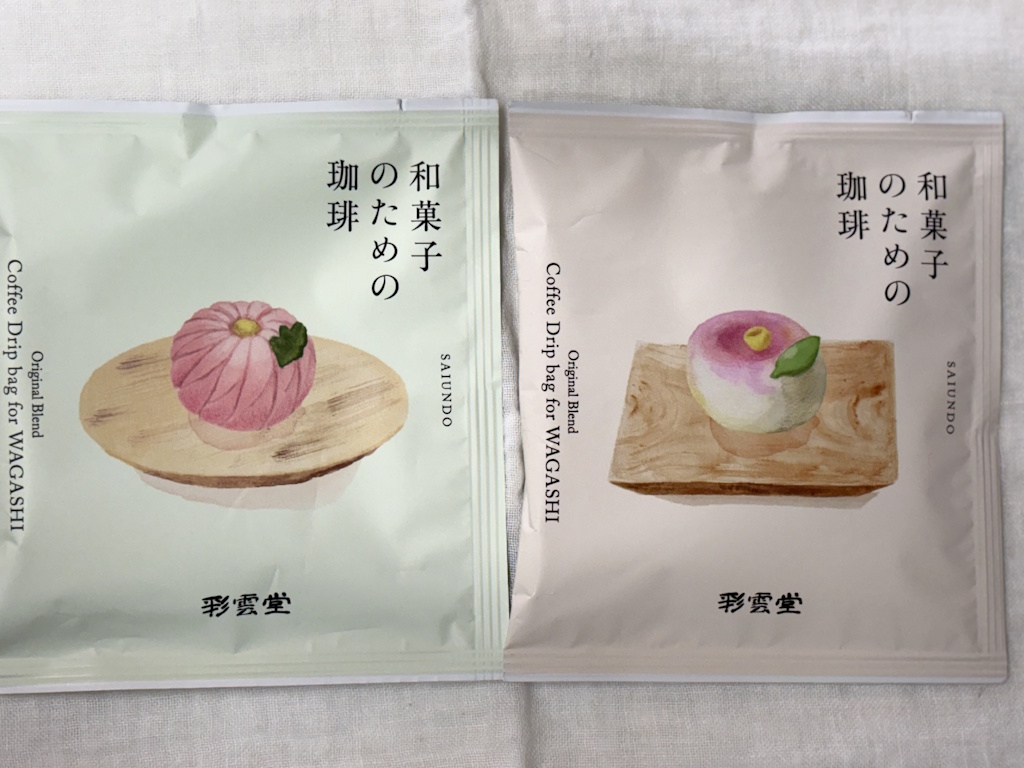
Saiundo Coffee

This one is from “Saiundo,” a long-established Japanese confectionery shop in Shimane.
It was developed in collaboration with a local coffee shop, and the coffee is said to have a flavor that pairs well with the sweetness and texture of traditional Japanese sweets.
Official Website: https://www.saiundo.co.jp/

Even after returning from my trip, I’ve been enjoying the lingering memories of my journey by looking at the packaging and sipping the coffee.

The trademark “Saiundo” was registered on June 26, 2026, with Class 30 “Confectionery” as the designated goods (Rights Holder: Saiundo Co., Ltd., Japanese Trademark Registration No. 7058810).
(Sakuramochi)

No-Tie Shoelaces

  • September 9, 2026
#patent

 This series introduces patented products that we often see without giving them a second thought.
 Today, I’m featuring no-tie shoelaces. These are a new type of elastic shoelace featuring numerous small loops.

 Don’t you find it a hassle to have to retie your sneakers’ laces every time you just pop out for a quick errand? …That said, for those who aren’t quite ready to go barefoot like in sandals, these no-tie shoelaces are highly recommended.

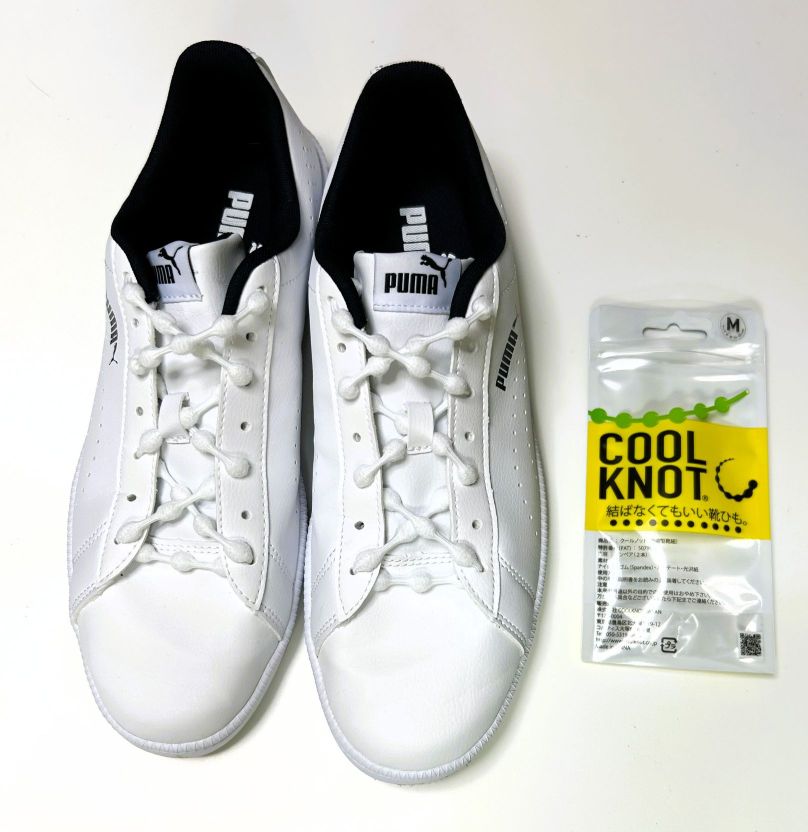
When I searched online, two major Japanese brands—COOLKNOT and CATERPY—caught my eye. I bought the COOLKNOT version. I immediately tried them on the sneakers I recently bought. The number of eyelets doesn’t quite match up, but please don’t mind that (laughs).

No-Tie Shoelaces COOLKNOT

 There seem to be various ways to tie them, but it looks like you can arrange them however you like.

 Once you attach these laces, you can simply grab the tongue and slide your foot in—the laces stretch out, allowing you to slip them on effortlessly. It’s even easier if you use a shoehorn. After you put them on, they return to their original length, so the fit is no problem. They’re made with an elastic fiber called spandex, so they seem perfectly fine for running. There are even versions designed specifically for sports.

 Since a patent number was listed on the back of the package, I looked it up on J-PlatPat (Japanese Patent No. 5079926). That’s when I discovered a surprising fact! It turns out that both “COOLKNOT” and “CATERPY” were originally based on the same technology, but later a patent dispute broke out—perhaps between the manufacturers?—and the losing party apparently shifted to a modified technology to avoid patent infringement.
…It’s hard to notice at first glance, but there seem to be subtle differences between the two companies’ current product lines. If you’re interested, why not look into the patents and trademarks mentioned here?
(blink)

Double Dutch

  • September 2, 2026
#trademark #utility model

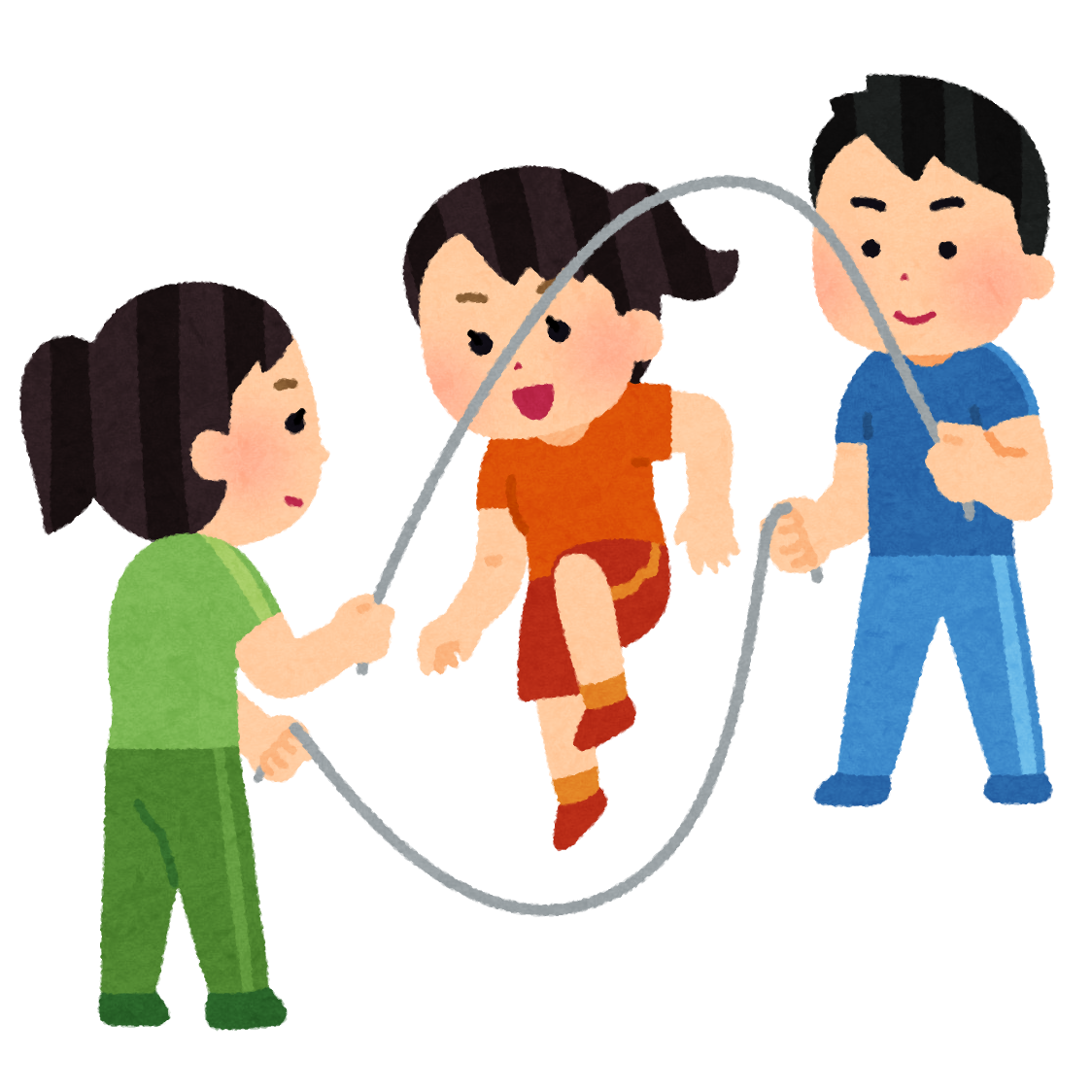
Double Dutch is a sport in which jumpers perform various tricks while jumping through a rope spun by two turners standing facing each other. Moves include running jumps at double speed, moves where the turners spin the rope while moving sideways, and moves where jumpers switch places with the turners mid-jump. Recently, it seems that many universities have Double Dutch clubs.

Double Dutch

“Double Dutch” and “DOUBLEDUTCH” are registered Japanese trademarks (Nos. 3366188 and 3366189) in standard characters, with “sports equipment” designated as the goods covered.
https://www.j-platpat.inpit.go.jp/c1801/TR/JP-1995-059878/40/en
https://www.j-platpat.inpit.go.jp/c1801/TR/JP-1995-059879/40/en

Note that the trademark owner, the Japan Double Dutch Association (a specified nonprofit corporation), was integrated into the Japan Jump Rope Federation (a general incorporated foundation) in 2021.

 In addition, Japanese Utility Model Registration No. 3149031 discloses a design for a jump rope training device well-suited for Double Dutch practice. When using this training device, even if the turner is a beginner, the middle section of the rope does not sag but forms a smooth arc, making it easier for jumpers to time their entry into the rope. While tools can be helpful, the key is consistent practice. (Conan)