Are Mos Burger’s Squeezes “freebie” or “merchandise”?

  • October 29, 2026
#trademark

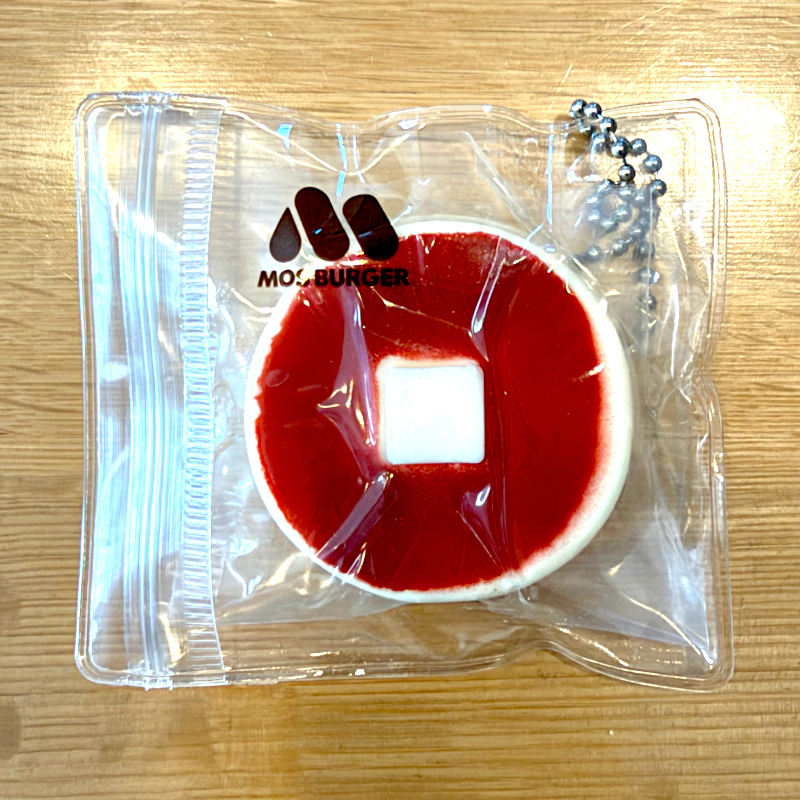
 The “Soufflé Pancake Squeeze” is a free gift included with the purchase of Mos Burger’s Mos Wai Wai Set. It’s a keychain-style toy characterized by its appearance—which looks just like a pancake—and its squishy texture.
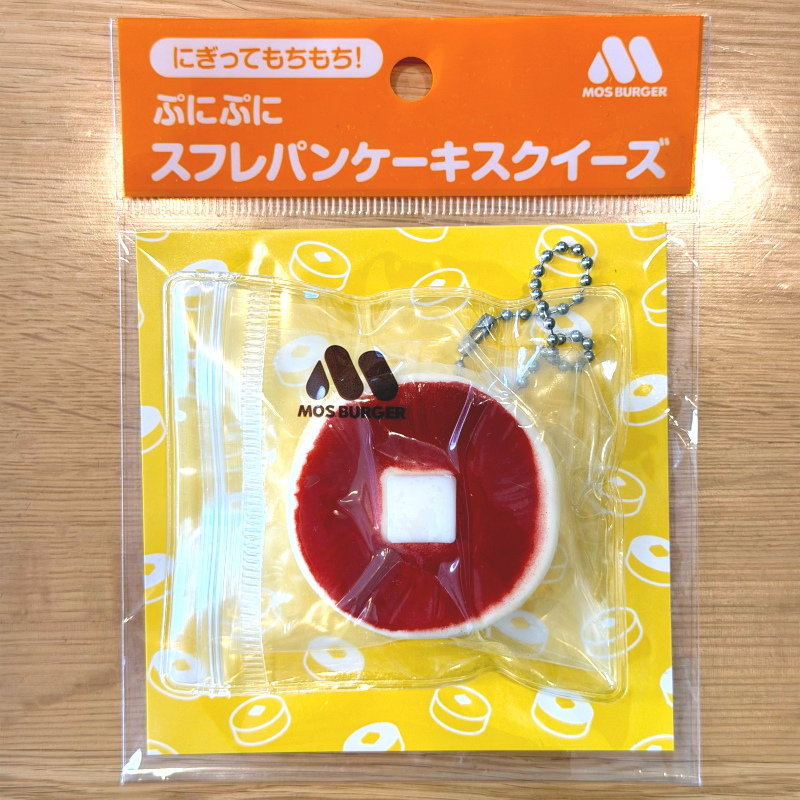
Mos Burger’s Soufflé Pancake Squeezes

Mos Burger’s Soufflé Pancake Squeezes

 The packaging and clear case feature the “M” mark and the “MOS BURGER” logo. How is a logo affixed to such a “freebie” treated as a trademark?
 A relevant precedent is the court case known as the “BOSS Case.” In that case, the issue was whether T-shirts bearing the “BOSS” logo—distributed free of charge to purchasers of electronic musical instruments—constituted “merchandise” under the Trademark Act. The court ruled that the T-shirts and other items were not “merchandise” subject to independent trade but merely advertising media intended to promote the electronic musical instruments and thus denied the claim of trademark infringement regarding the apparel.

 So, are the Mos Burger squishy toys also merely advertising media?
 According to an announcement from Mos Burger dated October 3, 2026, while these squeeze toys had previously been sold individually, a purchase limit of up to five per person was imposed starting on that date, and individual sales were discontinued. Since a unit price was set and they were actually being sold, it can be considered that, at least at that time, they were “merchandise” that could be the subject of independent transactions. This point differs from the T-shirts and other items in the BOSS case.

 MOS Food Service Co., Ltd. has registered the “M” mark and the “MOS BURGER” logo as trademarks (Japanese Trademark Registration No. 6819254, No. 6819255). The designated goods include not only “hamburgers” but also “key chains,” “toys,” and “hamburgers with toys.” This makes it easier to take action against other companies using logos identical or similar to the registered trademarks not only in the hamburger category but also in the key chain and toy sectors. Such trademark registrations help protect the value of the MOS brand across a wide range of products.

 Even if an item is a “freebie,” it may qualify as a “merchandise” under trademark law if it is the subject of independent commercial transactions. Mos Burger’s squeeze toys are an example of items that possess value as goods while also serving an advertising and sales promotion function (Hiro).
A Souvenir from a Friend in Osaka

  • October 21, 2026
#trademark

Last month, a friend who lives in the Kanto region contacted me, saying, “I’m stopping over in Nagoya on the Shinkansen on my way back from a trip to Osaka—let’s grab dinner together,” so we met up.
We usually see each other once or twice a year, but since I’m the one who typically travels to Kanto, meeting up in my hometown of Nagoya feels different from our usual get-togethers and is always a lot of fun.

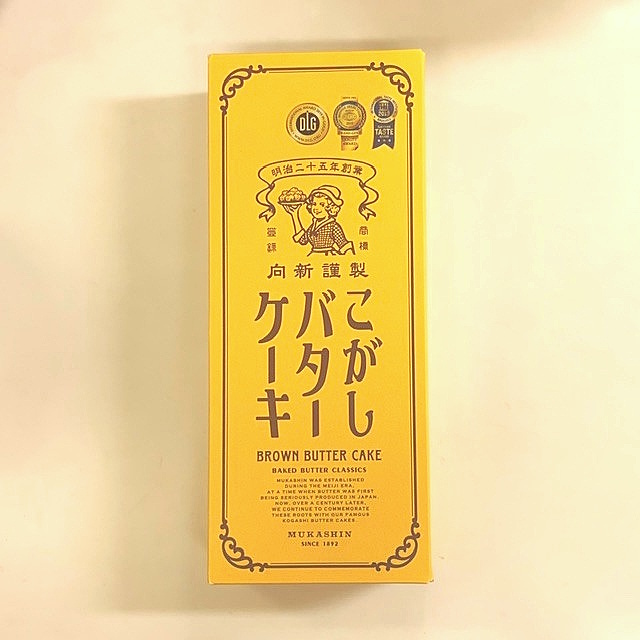
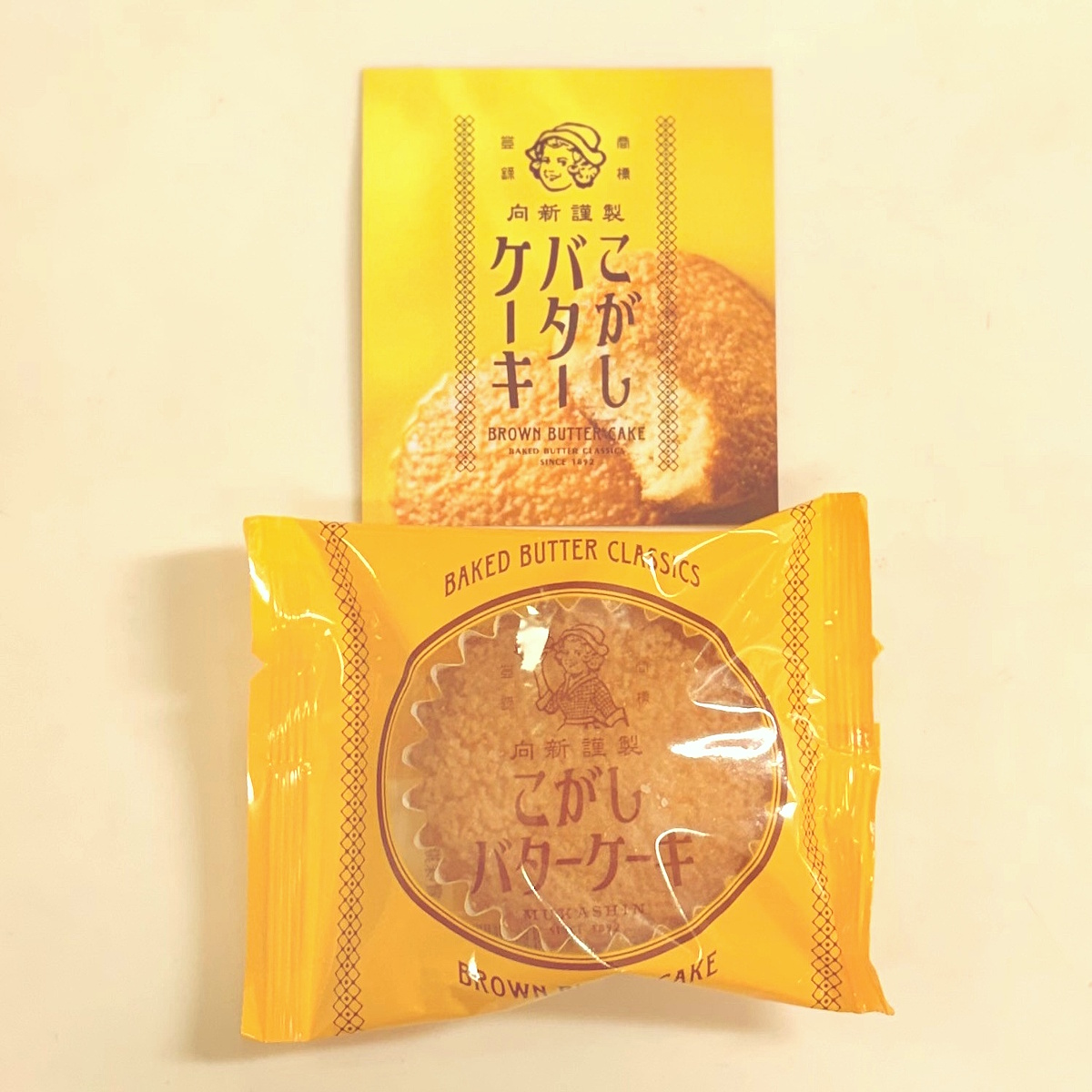
I eagerly made a reservation for dinner, bought some fresh Nagoya sweets—which I usually can’t give her—and went to meet her at the Shinkansen ticket gate. My friend stepped off the train with a big smile. “Here you go—a souvenir from Osaka!” she said, handing me the sweets shown in the photo. The box featured a cute girl holding the sweets and the words “Registered Trademark.”

Brown Butter Cake

Brown Butter Cake

After spending a fun time together and seeing my friend off, I went home and immediately searched for it on J-Plat Pat.
The product name, the girl’s upper body, and even a close-up of her face were all clearly registered.
Nodding to myself, “I see, I see,” I happily tucked into the sweets my friend had given me.
(Swimmer)

https://www.mukashin.com/ (Mukashin Website (Japanese only))
https://www.j-platpat.inpit.go.jp/c1801/TR/JP-2020-090910/40/en
https://www.j-platpat.inpit.go.jp/c1801/TR/JP-2024-002024/40/en
https://www.j-platpat.inpit.go.jp/c1801/TR/JP-2024-002025/40/en

Akita’s Odate “Magewappa”: Delicious Even When Rice Gets Cold—The Charm of Traditional Craftsmanship and the Registered Trademark for the Birch-Binding Pattern

  • October 14, 2026
#intellectual property #Regional Collective Trademark #trademark

I bring a packed lunch to work. When it came time to replace my worn-out plastic lunchbox, I decided—after careful consideration—to purchase the “magewappa” I’d long admired during a trip to Akita a few years ago, and I still use it to this day.

Akita’s Odate “Magewappa”

A “magewappa” is a traditional Japanese wooden container (bentwood craft) made by softening thin strips of cedar or cypress with hot water and bending them into a curved shape. Major production areas include the Kiso region of Nagano Prefecture, Hinoemata Village in Fukushima Prefecture, and Fukuoka City in Fukuoka Prefecture; depending on the region, it is sometimes called a “menpa.”

The one I use is the “Odate Magewappa” from Shibata Yoshinobu Shoten in Odate City, Akita Prefecture—an unvarnished “natural wood finish” version. While some are lacquered or coated with urethane, making them easy to handle with oily foods or detergents, I find that the unvarnished version keeps rice from becoming sticky thanks to the wappa’s natural humidity-regulating properties, and the rice tastes delicious even when it cools down. Cedar is known for its natural antibacterial properties and light weight, and this design allows you to fully appreciate the beautiful straight-grained pattern.
This “Odate Magewappa” is registered as a regional collective trademark and is protected as a regional brand.
https://www.jpo.go.jp/e/system/trademark/gaiyo/chidan/document/tiikibrand/chiiki2014.pdf (Page 20)

The overall design of the Magewappa is exceptionally beautiful. While it is traditionally used as a bento box, new applications—such as goldfish bowls and champagne coolers—have also emerged. Additionally, the “kaba-toji” (birch bark stitching) technique—a traditional method of securing the joints of the bent wood with mountain cherry bark—features a variety of patterns.
Among these, the three types—“Komochi-zumi,” “Uroko-zumi,” and “Ryō-uroko-zumi”—were devised by Yoshinobu Shibata, who studied ancient bentwood crafts, and have been passed down to the present day as kaba-toji patterns; they were registered as trademarks in 2023.
https://magewappa.com/pages/about-kabatoji

In modern times, “kaba-toji” has taken on a stronger decorative significance than its original purpose of securing the wood, and it is also appealing as a design element that shapes the character of the bentwood lunchbox. Admiring the beautiful patterns of “kaba-toji” created by the artisans’ handiwork is one of the joys of using a bentwood lunchbox. The fact that this beauty is protected as a trademark serves as a reminder of the importance of intellectual property in traditional crafts. (Syszo)
Shibata Yoshinobu Shoten | Wappa Building (Japanese only)

Special Ice Cream

  • October 8, 2026
#design #patent #trademark

Ice cream is something I just can’t resist when it’s hot out, but there’s one kind that’s truly special.
That’s Häagen-Dazs.
Since it’s a bit pricey, I treat it as a special treat. With so many varieties—from classic flavors to limited editions—I always end up stopping at the ice cream aisle whenever I go shopping.
I usually take my time deciding which one to buy, but the other day, for my birthday, I received a Haagen-Dazs voucher that allowed me to redeem one flavor from a selection of seven at a convenience store.
Since the selection was limited, I didn’t have to agonize over my choice as much as I usually do and was able to redeem it right away.

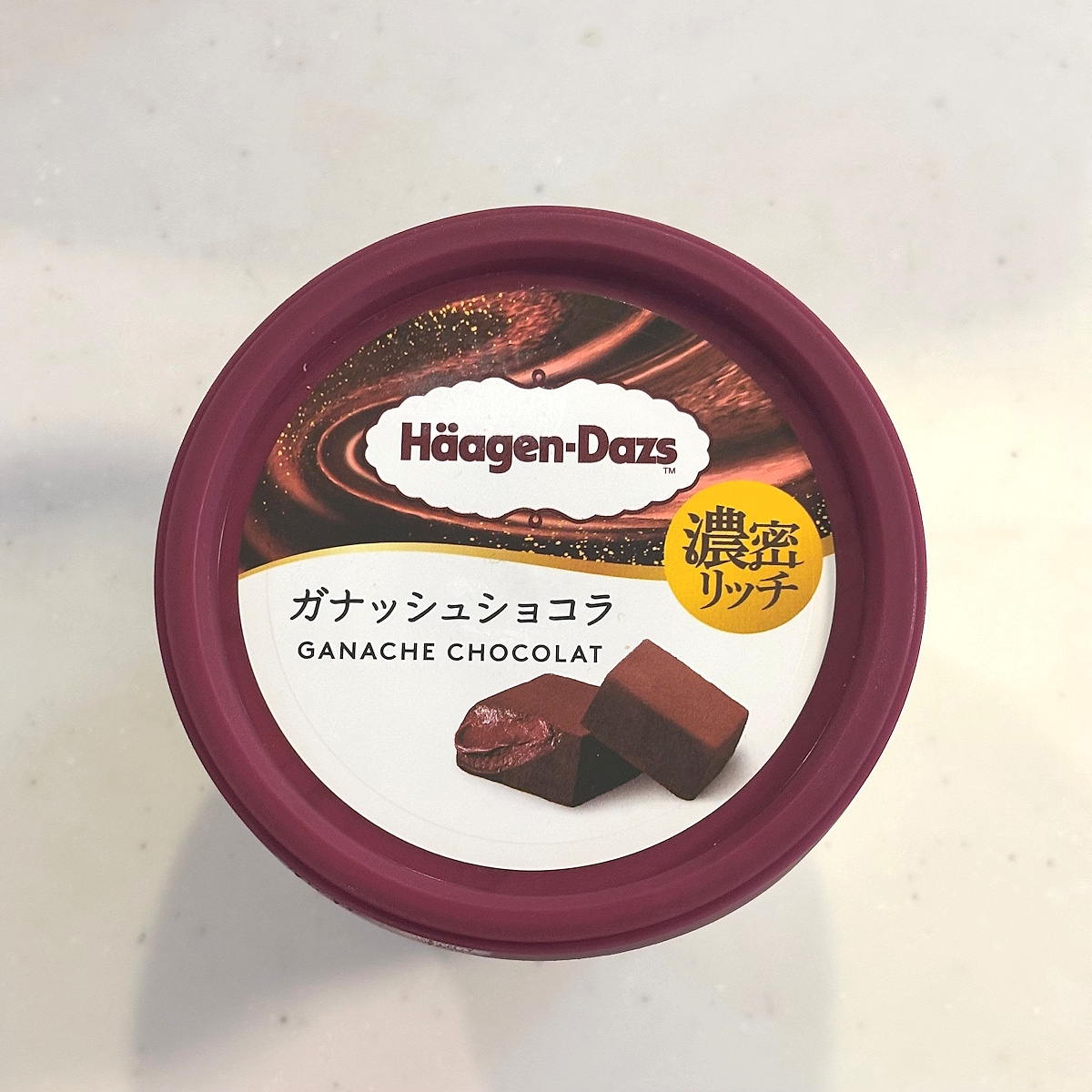
Haagen-Dazs

Haagen-Dazs holds multiple patents related to manufacturing, design patents for its containers, and trademarks for its brand name and logo. (Rabbit)